| 1 Mar 1943 · North Atlantic campaign | German Submarine Groups Assemble Against the Convoy Routes | Central North Atlantic | The German submarine command concentrated boats across likely eastbound convoy routes in March 1943, seeking to turn a single sighting into attacks by many submarines. The Allied close escort system could defend individual convoys, but air cover remained thin in parts of the mid-Atlantic and spare escort vessels could take many hours to reach a threatened column. Sources 1, 2, 6, 10 |
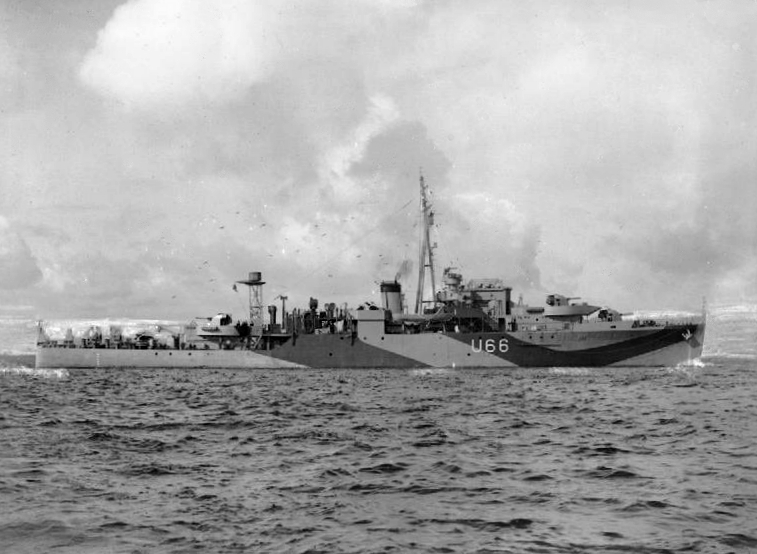
| 10 Mar 1943 · North Atlantic campaign | HMS Aconit Destroys U-444 and U-432 as HX 228 Is Attacked | North Atlantic, convoy HX 228 | Convoy HX 228 fought German submarines on 10–11 March 1943. The escort destroyer HMS Harvester was lost during the battle, while the Free French corvette Aconit attacked and destroyed U-444 and U-432. The action showed how a convoy could suffer badly yet still inflict losses on attackers when escorts maintained contact. Sources 2, 10, 22 |
| 16 Mar 1943 · North Atlantic campaign | German Intelligence Helps Bring HX 229 and SC 122 Into Range | North Atlantic, southwest of Iceland | On 16 March the convoy routes of HX 229 and SC 122 drew German patrol groups toward neighboring parts of the Atlantic. B-Dienst interception and decryption of Allied messages contributed to the German commander’s understanding of convoy movements, while reports from boats on the surface fixed positions for others to follow. Sources 1, 2, 6, 12, 13, 28 |
| 17 Mar 1943 · North Atlantic campaign | U-boat Attacks Inflict Heavy Losses on HX 229 and SC 122 | Central North Atlantic | From 16 to 20 March U-boats mounted repeated attacks against HX 229 and SC 122, sinking roughly twenty merchant vessels across the two battles. Escorts fought while keeping their remaining merchants together, but submarines that kept contact could renew the attack after dark and force the defenders to divide their attention. Sources 1, 2, 10, 12, 13, 25 |
| 20 Mar 1943 · North Atlantic campaign | Aircraft Attacks and Escorts Break Up the March Pursuit | Western Approaches, east of the mid-Atlantic gap | By 20 March the Germans were forced to break off the sustained pursuit of HX 229 and SC 122. RAF Coastal Command aircraft increased their presence as the convoy movements approached more accessible waters, while escorts continued counterattacks on suspected submarine positions. The ships still afloat proceeded toward Britain with a substantial toll in crews and cargo. Sources 1, 2, 10, 11 |
| 2 Apr 1943 · North Atlantic campaign | Escorts Sink U-124 After Its Final Atlantic Attacks | North Atlantic, west of Portugal | U-124, commanded by Johann Mohr, was sunk by the British escorts HMS Stonecrop and HMS Black Swan on 2 April 1943 after operating against convoy traffic in the eastern Atlantic. The destruction of an experienced U-boat and crew belonged to a growing sequence of losses that German submarine headquarters had to replace while continuing convoy operations. Sources 7, 8, 10 |
| 17 Apr 1943 · North Atlantic campaign | USCGC Spencer Forces U-175 to the Surface | North Atlantic, west of Ireland | On 17 April the U.S. Coast Guard cutter Spencer attacked U-175 during ocean escort operations west of Ireland. Depth charges forced the submarine to surface; the escorts fired upon it and then recovered German survivors. The sinking was photographed by American servicemen and became a clearly documented example of the risks faced by a U-boat near a well-defended convoy. Sources 7, 8, 23 |
| 28 Apr 1943 · North Atlantic campaign | U-boats Establish Contact With Convoy ONS 5 | North Atlantic westbound route | Convoy ONS 5, a slow westbound group of merchant ships, came under German submarine pressure from 28 April as U-boats began to shadow and attack it in the North Atlantic. Commander Peter Gretton’s B7 escort group maintained a close screen with destroyers, a frigate and corvettes, attempting to keep contacts outside the merchant columns while the ships navigated difficult seas. Sources 3, 4, 5, 9, 14, 19 |
| 3 May 1943 · North Atlantic campaign | Fuel Shortage Forces Gretton to Leave ONS 5 | North Atlantic, ONS 5 convoy | At 1400 on 3 May 1943, Commander Peter Gretton handed close-escort command for ONS 5 to HMS Tay and departed in HMS Duncan for St. John’s, Newfoundland. The destroyer’s fuel was critically low after days of severe weather prevented replenishment at sea. Gretton had reported the problem to the Admiralty earlier that morning; the convoy remained exposed to German submarines in the central Atlantic. Sources 3, 4, 5, 19, 20, 32 |
| 5 May 1943 · North Atlantic campaign | ONS 5 Suffers Its Hardest Attacks in Fog and Darkness | North Atlantic, toward Newfoundland approaches | On the nights of 4–6 May ONS 5 faced concentrated U-boat attacks in poor visibility. Thirteen merchant ships were lost during the larger action, but the escorts increasingly detected and destroyed submarines close to the convoy. The fighting involved a continuing sequence of sonar contacts, surface sightings, sharp course changes and attacks while the merchant ships struggled to remain together. Sources 3, 4, 5, 9, 10, 14, 20 |
| 6 May 1943 · North Atlantic campaign | The ONS 5 Battle Ends With Heavy Losses on Both Sides | North Atlantic, west of 40 degrees W | By 6 May the running battle for ONS 5 had ended. Thirteen merchant ships had been sunk and the convoy had suffered a difficult passage, but the German submarine groups lost a number of boats that was severe by their previous standards. Allied escorts had successfully disrupted the final close attacks and kept the remaining merchant ships moving west. Sources 3, 4, 5, 9, 14, 21 |
| 17 May 1943 · North Atlantic campaign | SC 130 Meets a German Patrol Group in the North Atlantic | North Atlantic, convoy SC 130 | From 17 to 20 May German submarines assembled against the eastbound convoy SC 130. Escort ships and supporting aircraft maintained aggressive contact and launched attacks on submarines that tried to shadow the merchant formation. The Germans suffered several submarine losses during the operation and the convoy escaped without a merchant ship being sunk. Sources 7, 10, 15, 21 |
| 20 May 1943 · North Atlantic campaign | The U.S. Navy Establishes Tenth Fleet for Anti-submarine Coordination | Washington, D.C., United States | On 20 May the United States established the Tenth Fleet as an organization to coordinate the anti-submarine campaign, including intelligence, air and sea operations, and the routing and protection of shipping. It was a headquarters and coordination body rather than a fleet of warships under one operational commander at sea. Sources 7, 16 |
| 22 May 1943 · North Atlantic campaign | USS Bogue Aircraft Attack and Sink U-569 | North Atlantic | On 22 May aircraft from the U.S. escort carrier USS Bogue attacked the German Type VIIC submarine U-569 in the North Atlantic. The submarine was lost after attacks by carrier aircraft; the action was photographed and is preserved in U.S. Navy archival records. Escort-carrier aviation made a surfaced submarine vulnerable in waters where shore-based aircraft could spend little time. Sources 7, 8, 17, 18, 24 |
| 24 May 1943 · North Atlantic campaign | Dönitz Withdraws the North Atlantic U-boat Groups | German naval headquarters, Berlin | On 24 May Dönitz ordered the principal U-boat groups to withdraw from the North Atlantic convoy routes after the sharp rise in German submarine losses. The command judged that maintaining large concentrations against well-protected convoys would continue to consume boats and trained crews faster than they could inflict useful damage on merchant shipping. Sources 7, 8, 10, 21, 26 |