Skip to content
WW2 Theatres Theatres of the Second World War
Home

World War II calendar

WWII On This Day: September 4

What happened on September 4 during World War II? This date brings together 3 events from 1940 and 1944, with period photographs and links to the full operations documented across WW2 Theatres.

1940
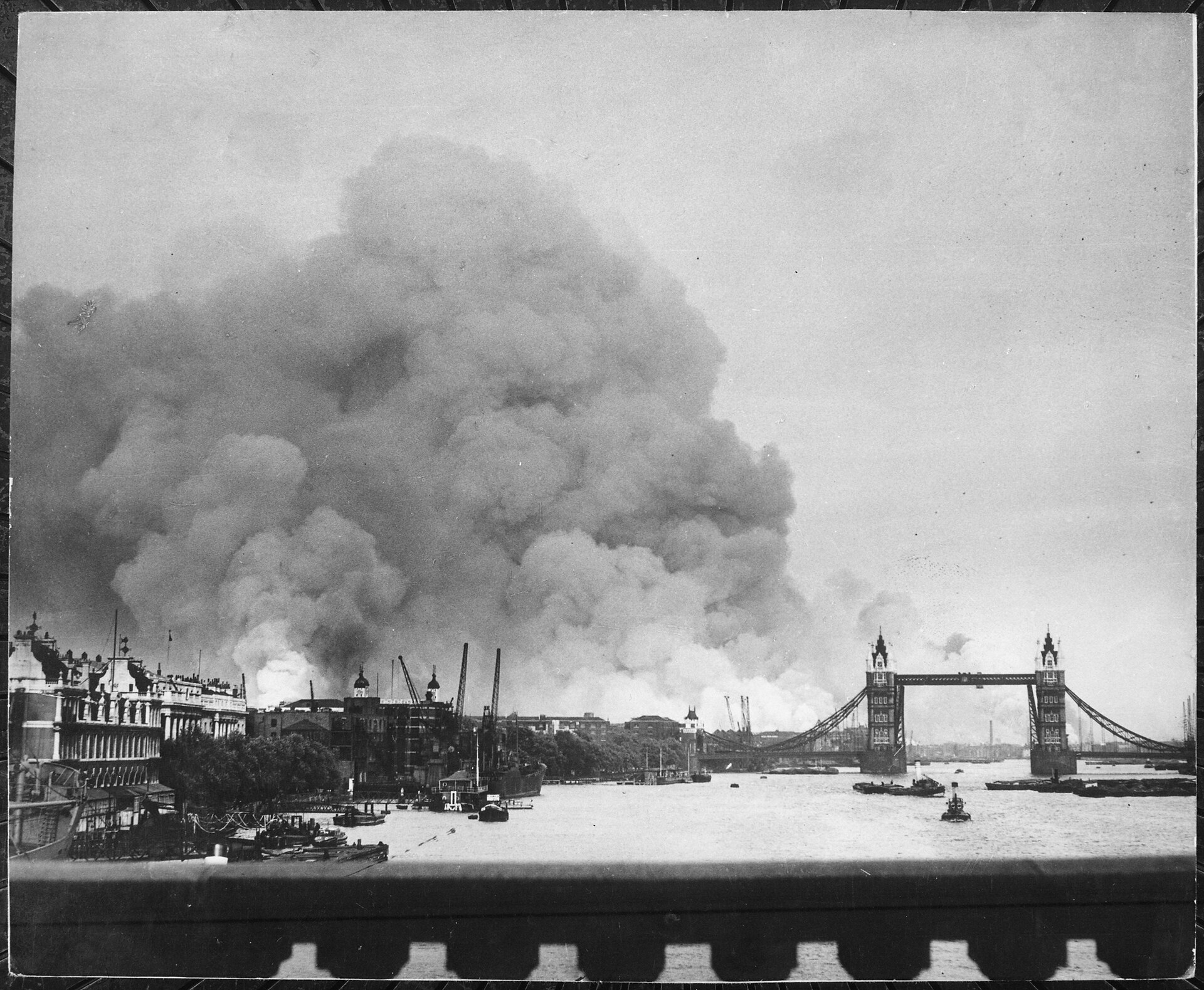
London, 7th September 1940 · London's dock area. Tower Bridge stands out against a background of smoke and fires. New York Times Paris Bureau Collection.
U.S. National Archives and Records Administration (NARA 541917) · Public domain
The Blitz

Hitler threatens retaliation against British cities

On 4 September Hitler used a Berlin speech to threaten massive retaliation against British cities after the RAF raids on the German capital. The speech was political theatre as well as policy signalling; it did not constitute the whole operational explanation for what followed. Luftwaffe leaders already believed that Fighter Command had been badly weakened. Intelligence estimates understated the number of serviceable British fighters and exaggerated the lasting effect of attacks on sector stations and airfields. London therefore offered several attractions at once: docks and communications could be attacked, the…

Continue in The Blitz →
1944
LVT-4 Alligator amphibious vehicles pass Terrapin amphibious vehicles near Terneuzen during the Battle of the Scheldt, 13 October 1944.
Department of National Defence / Library and Archives Canada · 13 October 1944 · Public domain in Canada · Source
The Battle of the Scheldt

Antwerp is captured with its port intact

The British 11th Armoured Division entered Antwerp on 4 September and found the main docks, locks, cranes and quays largely intact. Belgian resistance groups had helped secure key installations and interfere with German demolition preparations as the occupation authorities withdrew. The capture gave the Allies a major deep-water port close to the front, but ships still had to pass eighty kilometres through an estuary whose banks and coastal batteries remained in German hands.

Continue in The Battle of the Scheldt →
The Battle of the Scheldt

The German escape route remains open

The German Fifteenth Army was withdrawing from the Channel coast toward the West Scheldt, Walcheren and South Beveland. The narrow South Beveland isthmus remained open east of Antwerp, giving the withdrawing formations a route toward the Netherlands. British armoured forces consolidated around Antwerp while the German evacuation continued. The surviving formations later strengthened the defence of the Scheldt approaches and the Dutch-Belgian frontier.

Continue in The Battle of the Scheldt →