Skip to content
WW2 Theatres Theatres of the Second World War
Home

World War II calendar

WWII On This Day: May 11

What happened on May 11 during World War II? This date brings together 3 events from 1941 and 1944, with period photographs and links to the full operations documented across WW2 Theatres.

1941
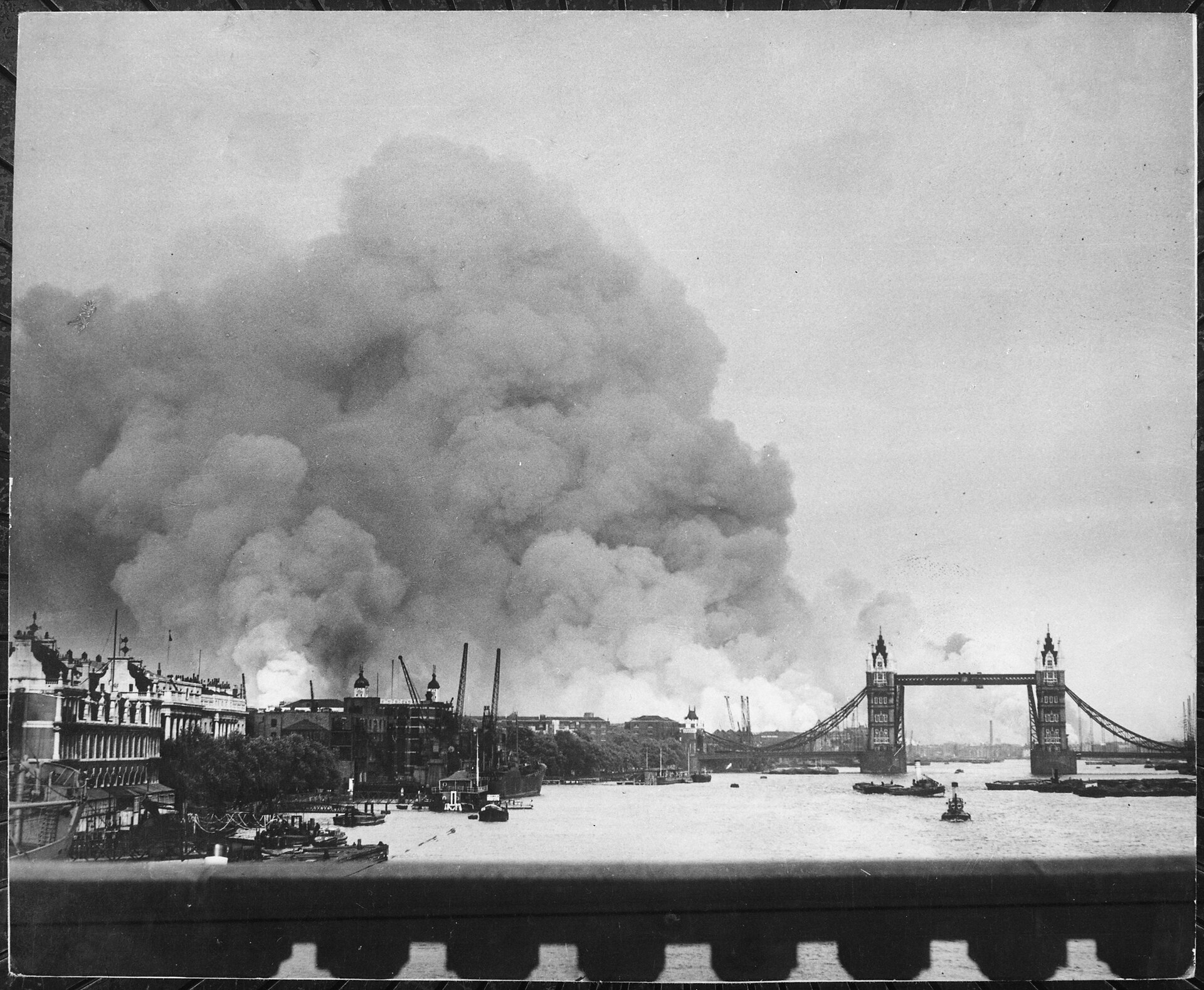
London, 7th September 1940 · London's dock area. Tower Bridge stands out against a background of smoke and fires. New York Times Paris Bureau Collection.
U.S. National Archives and Records Administration (NARA 541917) · Public domain
The Blitz

The sustained Blitz ends

The all-clear after the May raid did not come with a German announcement that the bombing campaign had ended. Smaller attacks on Britain continued later in the war, and nobody on 11 May could know that the previous night had been the last mass attack of this particular campaign. Several pressures were converging. British night-fighter and GCI defences were becoming more effective, the Luftwaffe had failed to force political or economic collapse, and German air units and attention were being redistributed as Hitler prepared the invasion of the Soviet Union.…

Continue in The Blitz →
1944
Polish and British flags raised over the shattered Monte Cassino monastery after Polish troops entered the ruins on 18 May 1944.
Polish official photographer / Imperial War Museums MH 1680 · UK Government public domain

Operation Diadem begins with a night bombardment

On the night of 11–12 May Allied artillery opened Operation Diadem. Fifth Army and Eighth Army attacked the Gustav Line across a broad front, using the Garigliano and Rapido valleys and the Aurunci Mountains as complementary approaches. German Tenth Army faced assaults at several points, reducing its ability to move reserves against a single bridgehead or mountain pass.

Continue in Cassino and Anzio: The Road to Rome →
Wrecked rolling stock in the severely damaged marshalling yard at Juvisy-sur-Orge after Allied air attacks in 1944.
Bridge B (Fg Off), Royal Air Force official photographer / Imperial War Museums, CL 4170 · Public domain · Source
The Transportation Plan

Roosevelt leaves the decision with the commanders

Roosevelt declined to impose restrictions from Washington that the responsible commanders believed might reduce Overlord's chances or increase Allied invasion losses. The political attempt to halt or sharply narrow the campaign had failed. Target screening and casualty controls continued, but Eisenhower retained operational freedom.

Continue in The Transportation Plan →