Skip to content
WW2 Theatres Theatres of the Second World War
Home

World War II calendar

WWII On This Day: November 19

What happened on November 19 during World War II? This date brings together 4 events from 1940, 1941 and 1942, with period photographs and links to the full operations documented across WW2 Theatres.

1940
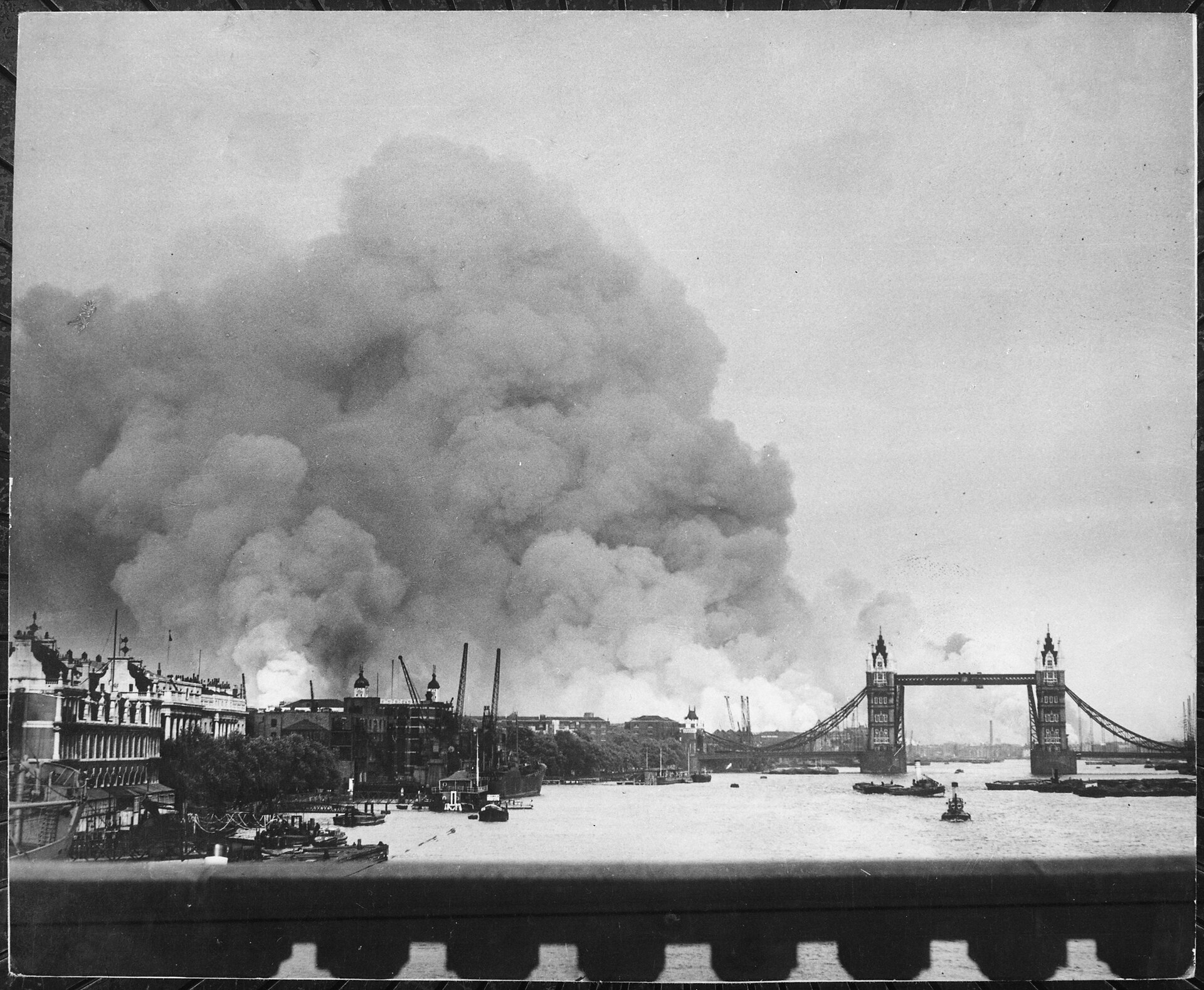
London, 7th September 1940 · London's dock area. Tower Bridge stands out against a background of smoke and fires. New York Times Paris Bureau Collection.
U.S. National Archives and Records Administration (NARA 541917) · Public domain
The Blitz

The offensive widens beyond London

After Coventry the Luftwaffe increasingly attacked industrial and port cities beyond London. Birmingham, Bristol, Southampton, Sheffield and Manchester were among the major targets struck during the following weeks. The target categories overlapped. A raid against an aircraft works could also hit dense housing; a port attack could strike warehouses, railway yards and residential districts; incendiaries aimed at creating large fires could destroy both industrial and civilian property. The change should not be reduced to a newly 'coherent' economic strategy replacing an irrational London campaign. The Luftwaffe was pursuing several effects…

Continue in The Blitz →
1941
New Zealand infantry and Matilda tank crews meeting outside Tobruk during Operation Crusader, photographed 2 December 1941.
Captain Geoffrey Keating / No. 1 Army Film & Photographic Unit · Imperial War Museums E 6918 · UK Government public domain
Tobruk and Operation Crusader

Italian Ariete armour checks the British 22nd Armoured Brigade

British cruiser tanks of 22nd Armoured Brigade fought Italian M13/40s and supporting weapons of the Ariete Division near Bir el Gubi. The attackers failed to destroy the Italian position and suffered losses that reduced the strength available for the further push north. The battle complicates any account that attributes the Axis resistance only to German armour. Italian formations held important sectors and fought effectively when armour and guns could support one another.

Continue in Tobruk and Operation Crusader →
1942
Red Army soldiers carrying a Soviet flag through the ruins of Stalingrad in 1943.
Bundesarchiv Bild 183-R76619 · CC BY-SA 3.0 DE · Source
Battle of Stalingrad

Operation Uranus opens against the northern Axis flank

At 07:30, after the Soviet alert and fire commands had been transmitted through the northern armies, roughly 3,500 guns and mortars opened on the Romanian Third Army. Snow and poor visibility limited air activity, but the frozen ground allowed heavy formations to move once breaches appeared. Fifth Tank Army and 21st Army attacked from the Serafimovich and Kletskaya bridgeheads. Rifle divisions opened the battle; tank and cavalry corps were committed through the gaps during the afternoon. Romanian formations lacked enough effective anti-tank weapons and reserves to stop the mass of…

Continue in Battle of Stalingrad →
American infantry aboard a landing craft approaching Oran, Algeria, in November 1942 during Operation Torch.
Lt F. A. Hudson / Royal Navy / Imperial War Museums A 12661 · UK Government public domain
Operation Torch and the Tunisian Campaign

French defenders clash with Axis troops at Medjez

French units under General Georges Barré encountered German forces near Medjez-el-Bab on 19 November. With few troops available, the French fought to delay the Axis build-up along the Medjerda route to Tunis. French troops then withdrew towards Oued Zarga and the western mountains. Their action helped protect the frontier approaches as the first British and American columns came east from Algeria.

Continue in Operation Torch and the Tunisian Campaign →