Skip to content
WW2 Theatres Theatres of the Second World War
Home

World War II calendar

WWII On This Day: January 11

What happened on January 11 during World War II? This date brings together 3 events from 1941 and 1942, with period photographs and links to the full operations documented across WW2 Theatres.

1941
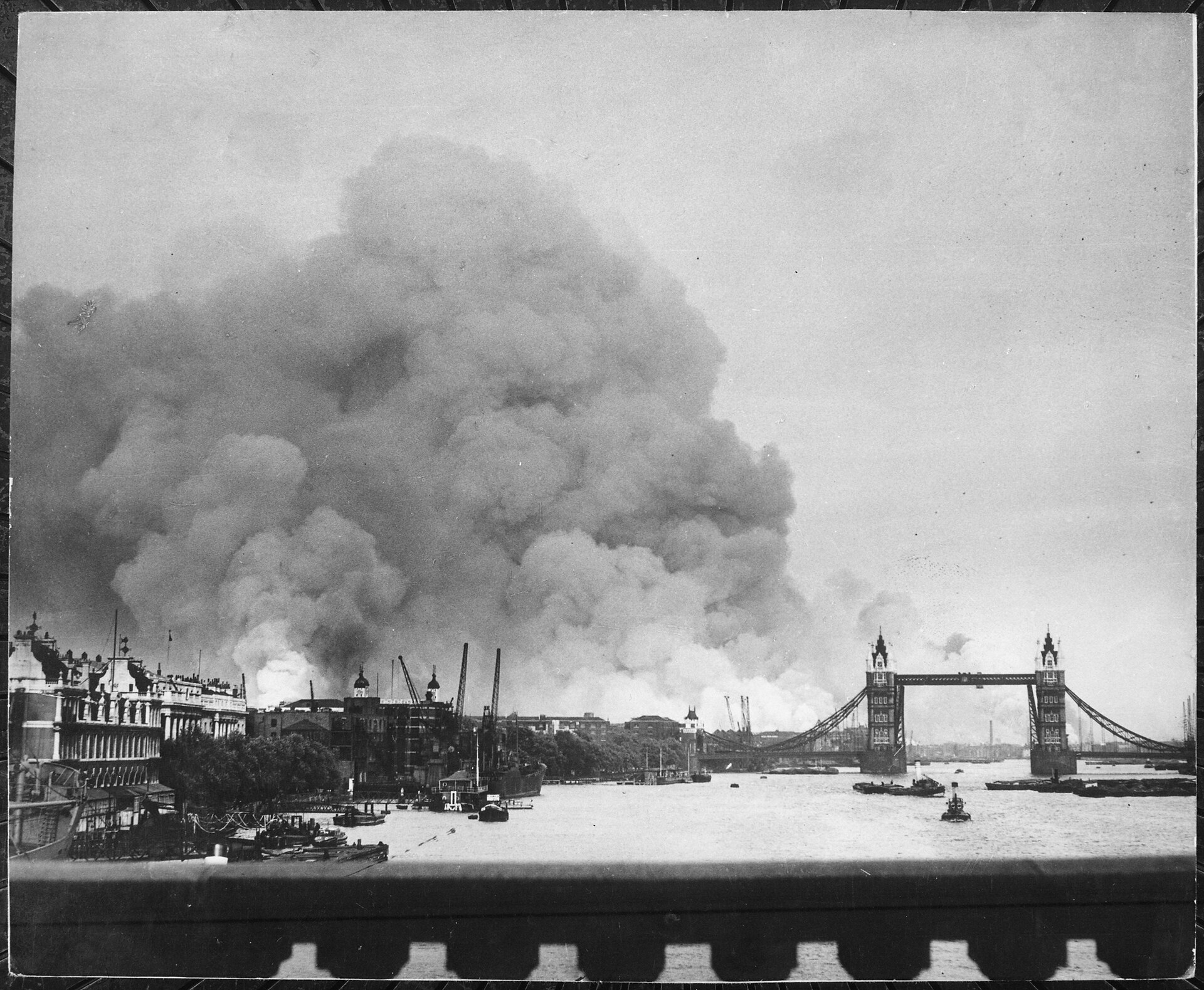
London, 7th September 1940 · London's dock area. Tower Bridge stands out against a background of smoke and fires. New York Times Paris Bureau Collection.
U.S. National Archives and Records Administration (NARA 541917) · Public domain
The Blitz

Bank

On 11 January a high-explosive bomb struck the Bank Underground station area, collapsing road and station structures into the booking hall and platforms below. Imperial War Museums records 111 deaths at Bank. The destruction cut a large crater through a central transport junction and required major temporary works before normal road movement could be restored. Like Balham, Bank demonstrated that deep shelter reduced risk without eliminating it. A system used by thousands of people every night could still suffer catastrophic local failure when a bomb struck directly above confined spaces.

Continue in The Blitz →
1942
Japanese troops in Kuala Lumpur on 11 January 1942. The Australian War Memorial dates the corresponding campaign photograph to that day.
Japanese troops in Kuala Lumpur on 11 January 1942. The Australian War Memorial dates the corresponding campaign photograph to that day. Wartime official photograph · public-domain record in Australian War Memorial collection Source
The Fall of the Southern Empires

Kuala Lumpur Falls

Japanese troops entered Kuala Lumpur on 11 January, barely a month after the landings in northern Malaya. The Commonwealth retreat had passed through successive river lines, towns and roadblocks without producing a position that could stop the 25th Army for more than a limited period. For Yamashita, the city was useful because the campaign was still a race down a communications corridor. Roads, workshops and nearby airfields shortened the distance to Johor. For the defenders, the same road system carried withdrawing battalions, guns, wounded men and transport south. Singapore was…

Continue in The Fall of the Southern Empires →
Lieutenant-General Arthur Percival and the British surrender party walking to the Ford Motor Factory in Singapore on 15 February 1942.
British official photographer / Imperial War Museums HU 2781 · UK Government public domain · Source
The Fall of the Southern Empires

The East Indies Oil Zone Comes Under Attack

Japanese forces landed on Tarakan in Dutch Borneo on 11 January as the offensive moved directly into the oil-producing Netherlands East Indies. Dutch troops attempted to deny the installations by demolition before the island was lost. Tarakan mattered for more than its oil. The southern plan needed a chain of ports and airfields through Borneo and the Celebes so that shipping and aircraft could approach Java under progressively stronger cover. The Dutch therefore faced the same problem already visible in Malaya: losing a small base could make the next, larger…

Continue in The Fall of the Southern Empires →