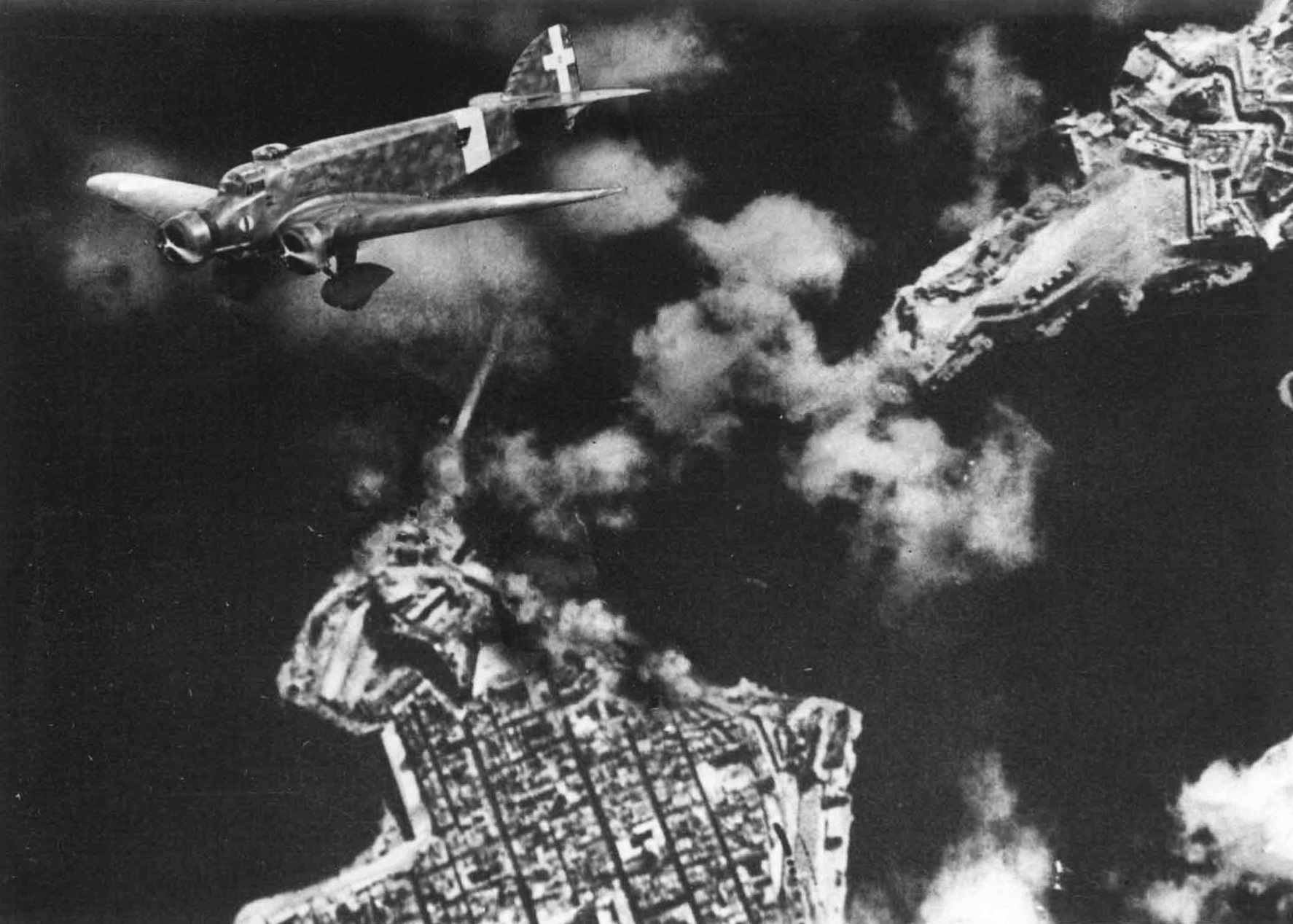
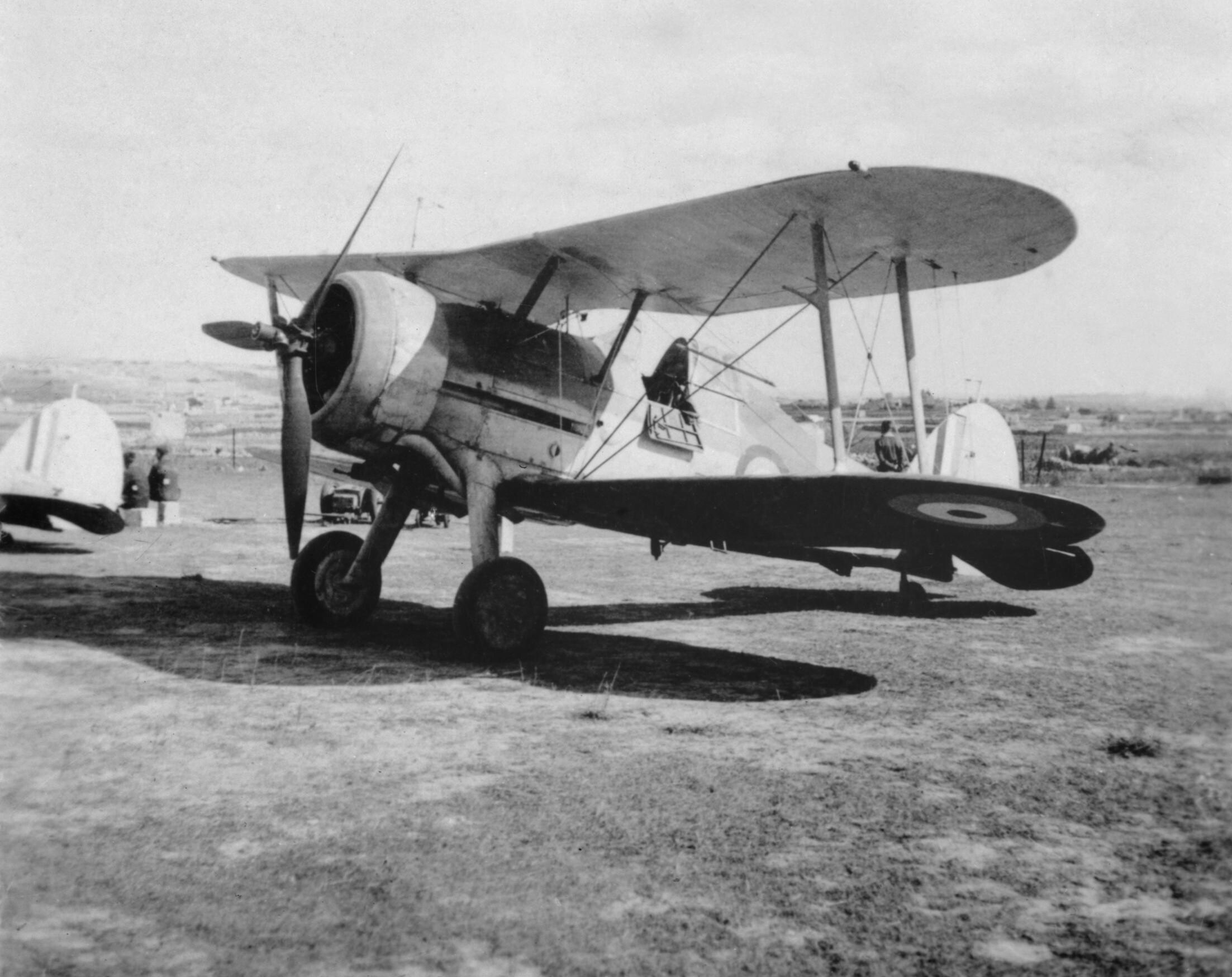
| Tuesday 11 June 1940 · Opening raids | The first air attacks | Hal Far and Kalafrana, Malta | The Regia Aeronautica opened its air campaign against Malta one day after Italy entered the war. Bombers and fighters crossed from Sicily to attack Hal Far and the seaplane base at Kalafrana, beginning a pattern in which the island's airfields and harbour installations were treated as operational targets tied to control of the central Mediterranean. Sources 1, 2 |
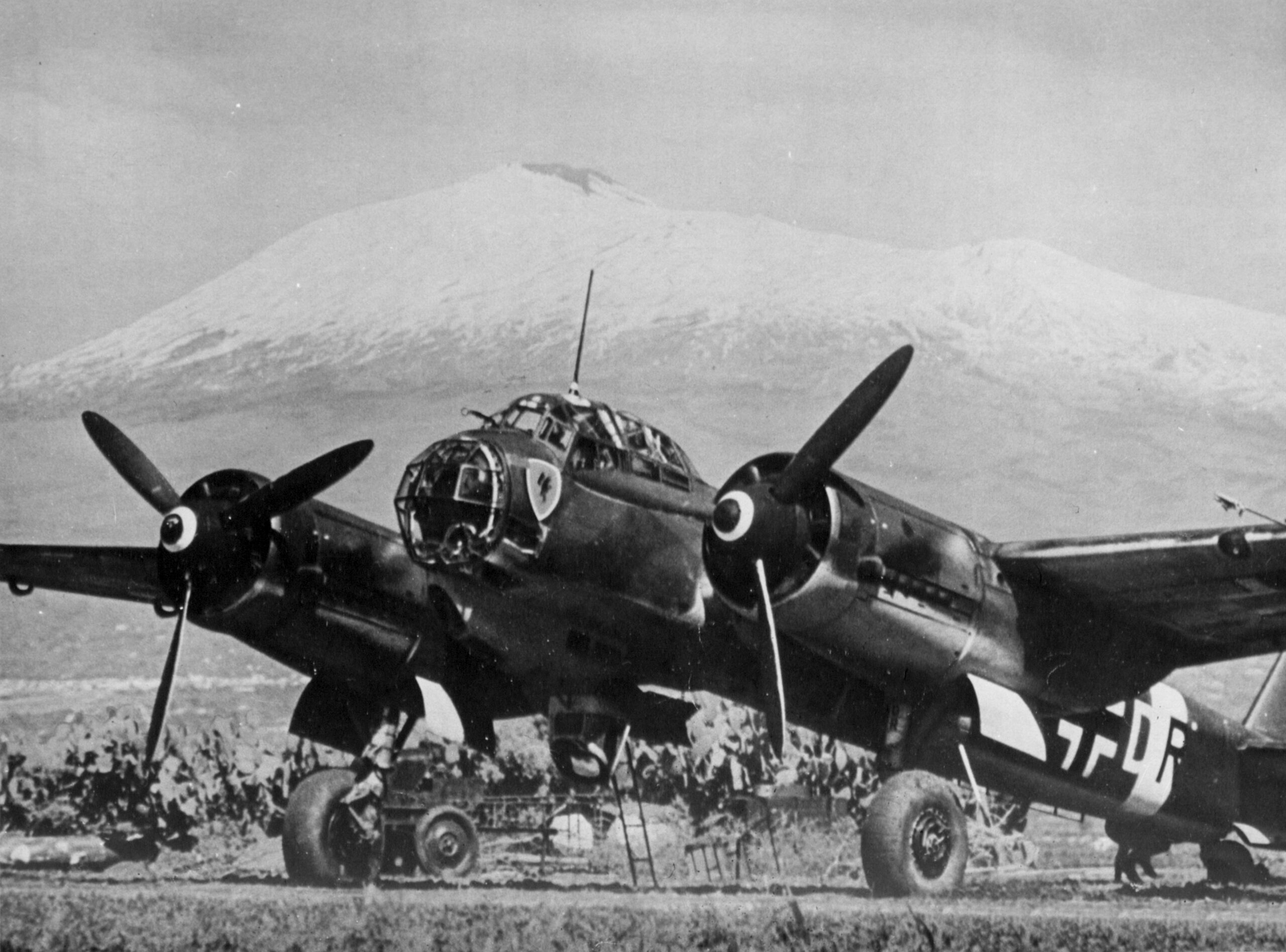
| Friday 10 January 1941 · Operation Excess | Illustrious brings the Luftwaffe into the battle | East of Malta | German dive-bombers attacked HMS Illustrious while the carrier covered Operation Excess east of Malta. Repeated hits killed and wounded large numbers of her crew and left the ship badly damaged, but she reached Grand Harbour, where dockyard workers began emergency repairs under the threat of further raids. Sources 1, 12 |
| Night of 8–9 November 1941 · Force K | Force K strikes the Duisburg convoy | Central Mediterranean, east of Malta | Force K sailed from Malta to intercept the Axis Beta convoy, usually known by the name of the merchant ship Duisburg. The British cruisers Aurora and Penelope with the destroyers Lance and Lively attacked at night and destroyed the convoy's merchant ships along with the Italian destroyer Fulmine while suffering little damage in the action. Sources 1 |
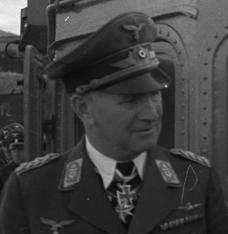
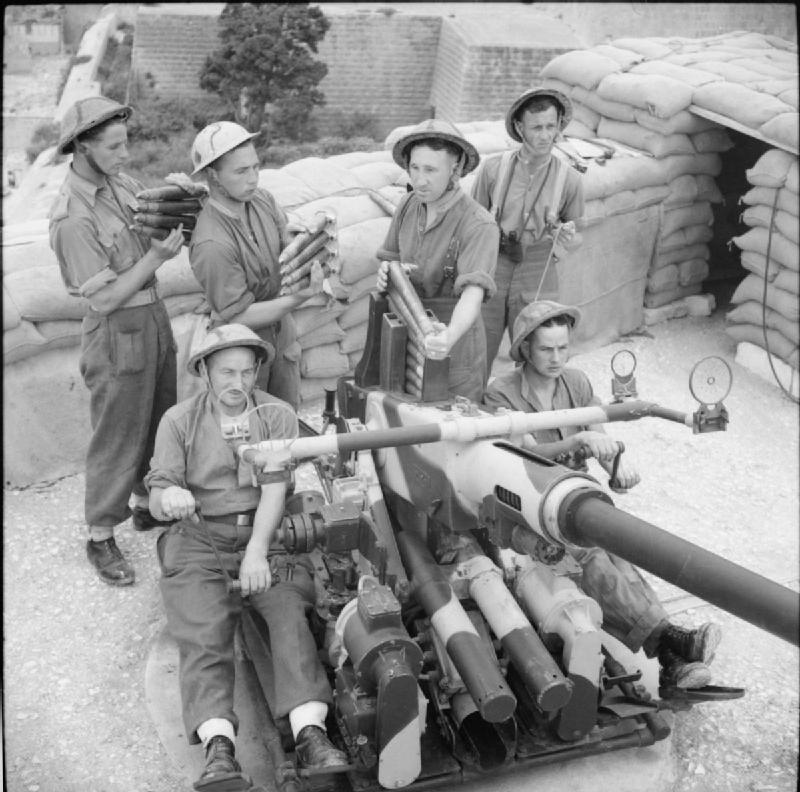
| February 1942 · Neutralisation begins | Kesselring concentrates on Malta | Sicily and Malta | The Luftwaffe began a sustained neutralisation effort under Oberbefehlshaber Süd. German planning treated Malta as an operating system: anti-aircraft batteries, runways, dispersed aircraft, dockyard facilities and supply routes were attacked so that the island would lose both its defensive strength and its ability to strike Axis shipping. Sources 3, 4 |
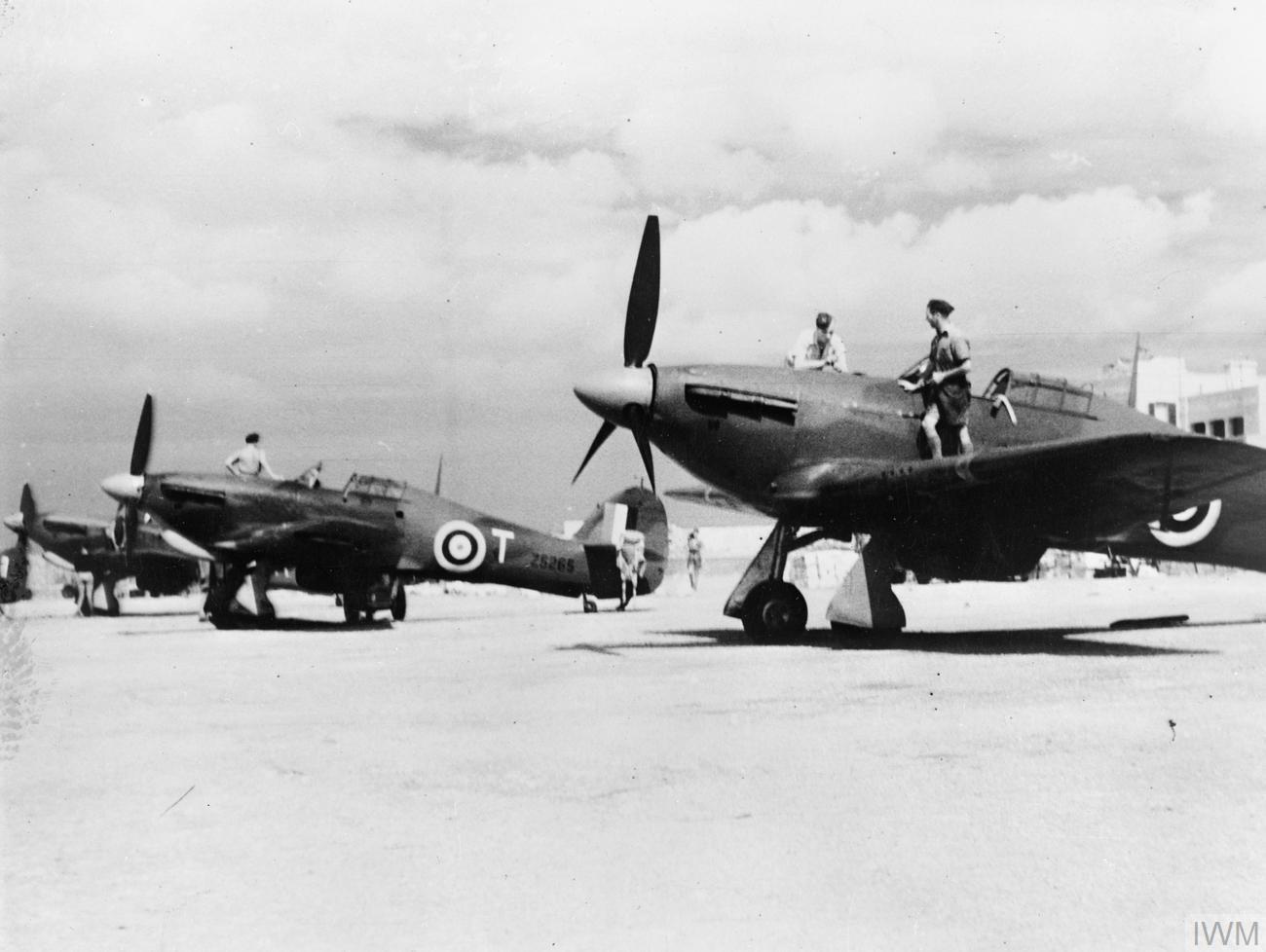
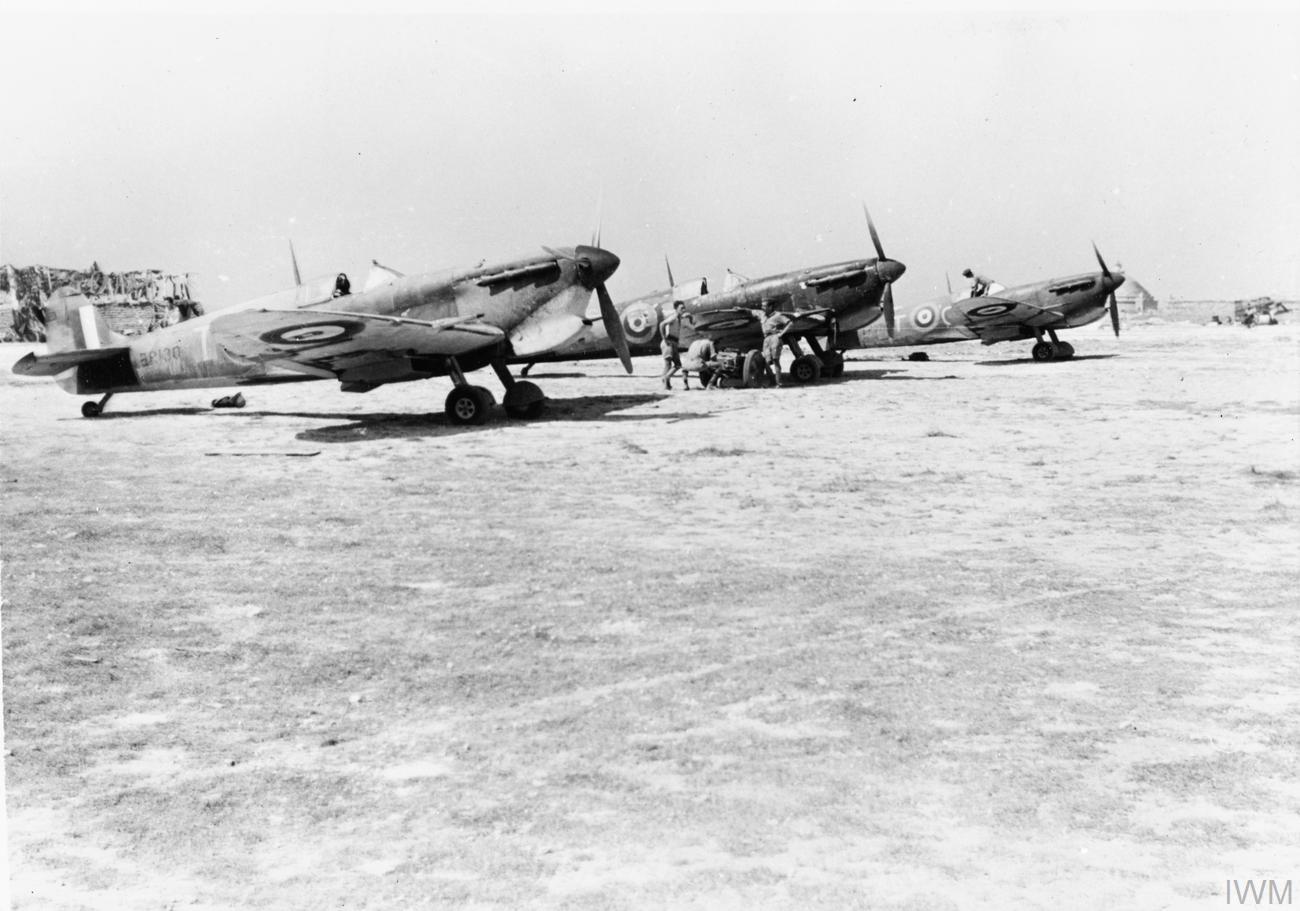
| Saturday 7 March 1942 · Operation Spotter | The first Spitfire reinforcement | Malta | HMS Eagle flew off fifteen Spitfire Vs during Operation Spotter, giving Malta a fighter with the speed and performance needed to meet the Bf 109 more evenly than the Hurricane. The aircraft still had to land on airfields under attack, enter dispersed service and survive bombing before their tactical value could be realised. Sources 1, 11 |
| 19–20 April 1942 · Operation Calendar | Wasp carries Spitfires into the Mediterranean | Western Mediterranean to Malta | USS Wasp carried RAF Spitfire Vcs through Gibraltar and launched forty-six for Malta on 20 April. The mission answered a crisis in fighter strength during the heaviest month of the air siege, when the Luftwaffe was attacking airfields often enough to damage aircraft soon after they arrived. Sources 3 |
| Friday 1 May 1942 · After the April peak | The island after the April offensive | Valletta and the airfields | April closed after 9,599 Luftwaffe sorties and about 6,500 tons of bombs dropped during the month. Airfields, dockyard facilities and towns around the harbour carried extensive damage, while the RAF had lost aircraft both in combat and on the ground. The bombing campaign had driven the island close to the condition German planners wanted: reduced fighter strength and sharply constrained offensive operations. Sources 3, 7, 9 |
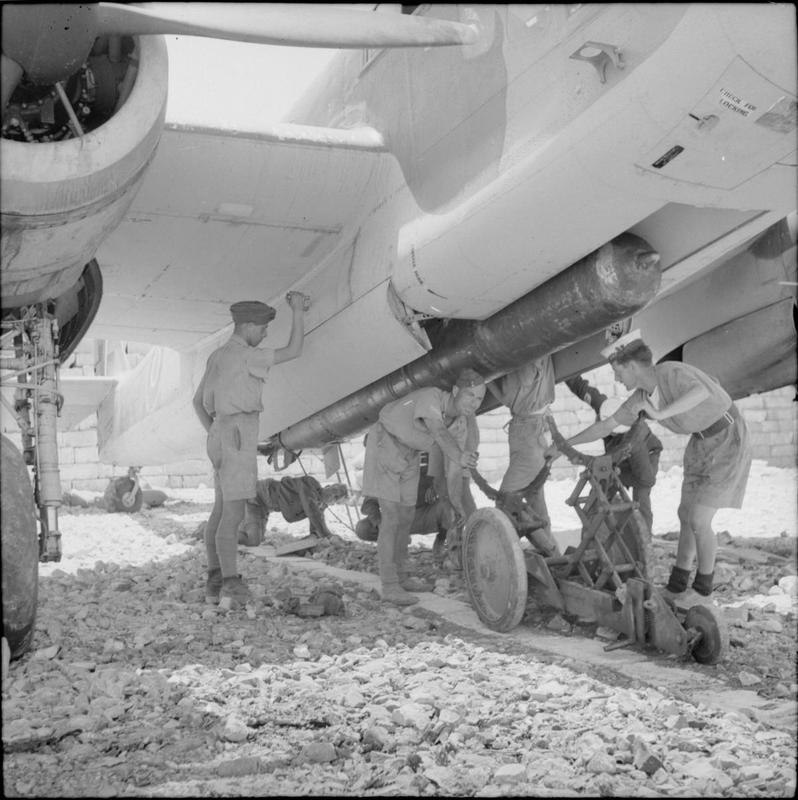
| Saturday 9 May 1942 · Operation Bowery | Bowery restores the fighter battle | Malta | USS Wasp and HMS Eagle delivered sixty Spitfires on 9 May. Malta's ground organisation had been changed after the losses following Calendar: the new fighters were dispersed, refuelled and armed within minutes, and RAF units flew 134 sorties that day as the reinforcement entered the battle before Axis raids could destroy it on the ground. Sources 3, 4 |
| 12–16 June 1942 · Harpoon and Vigorous | Two convoys fail to solve the supply crisis | Central and eastern Mediterranean | The Allies attempted to supply Malta simultaneously from Gibraltar and Alexandria. Operation Harpoon fought eastward through air, submarine and surface attack; only two of its six merchant ships reached Malta. Operation Vigorous approached from Egypt but faced repeated air attack, submarine danger and the prospect of interception by the Italian battle fleet and turned back before reaching the island. Sources 1, 7, 10 |
| Tuesday 11 August 1942 · Operation Pedestal | Pedestal enters the attack zone | Western Mediterranean | Operation Pedestal carried fourteen merchant vessels toward Malta behind an exceptionally large escort. On 11 August U-73 torpedoed and sank the carrier HMS Eagle. Axis reconnaissance had located the force, and the convoy now entered a sequence of submarine, air and surface attacks that would continue as it passed through the Sicilian narrows. Sources 5, 7 |
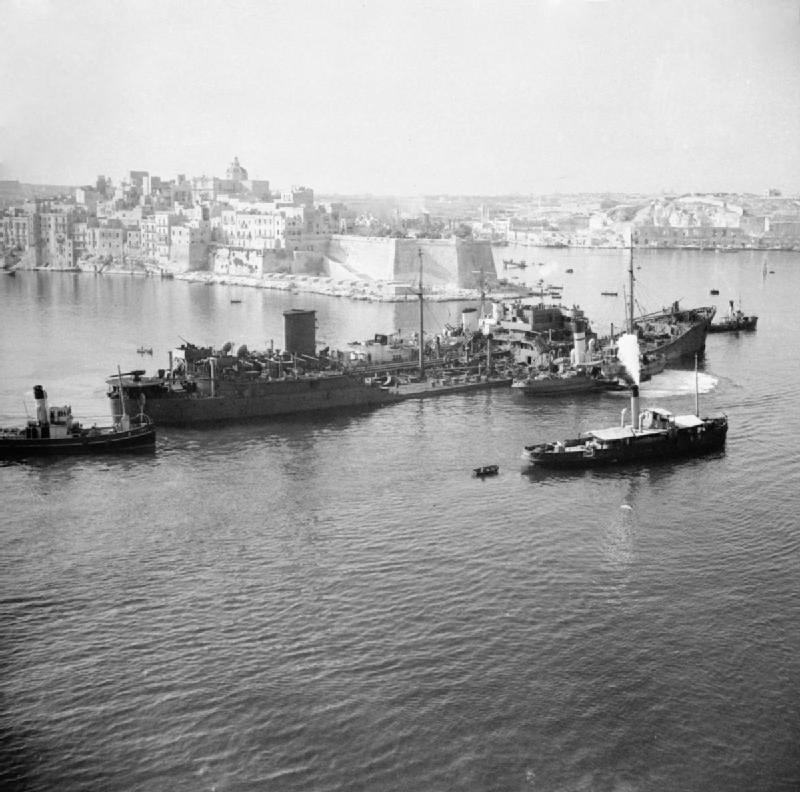
| Saturday 15 August 1942 · Santa Marija Convoy | Ohio reaches Grand Harbour | Grand Harbour, Malta | The crippled tanker Ohio reached Malta on 15 August supported by destroyers after torpedo and bomb damage had stopped her engines and weakened her hull. Four other merchant vessels from the fourteen-ship convoy also reached the island over the preceding days. Nine merchant vessels were lost. Sources 5, 7, 8 |
| 11–19 October 1942 · Final air offensive | The final concentrated air assault fails | Malta | Axis air forces mounted another concentrated attack on Malta from 11 to 19 October. Around 2,400 sorties were flown as bombers and fighters again concentrated on the airfields, but the defence now had more Spitfires, improved warning and interception procedures, and a ground organisation hardened by the spring battles. Sources 3 |
| Friday 20 November 1942 · 01:30 | Stoneage restores the supply route | Grand Harbour, Malta | All four merchant ships of Operation Stoneage reached Grand Harbour at about 01:30 on 20 November. The convoy had sailed from Alexandria under escort at a moment when the strategic map around Malta was changing rapidly: the Eighth Army was advancing west after El Alamein, Torch had put Allied forces in French North Africa, and Axis airfields and naval routes were being pushed farther from the island. Sources 1, 6 |