Skip to content
WW2 Theatres Theatres of the Second World War
Home / The Mediterranean, North Africa and Italy / Malta: Air Siege and Convoy War
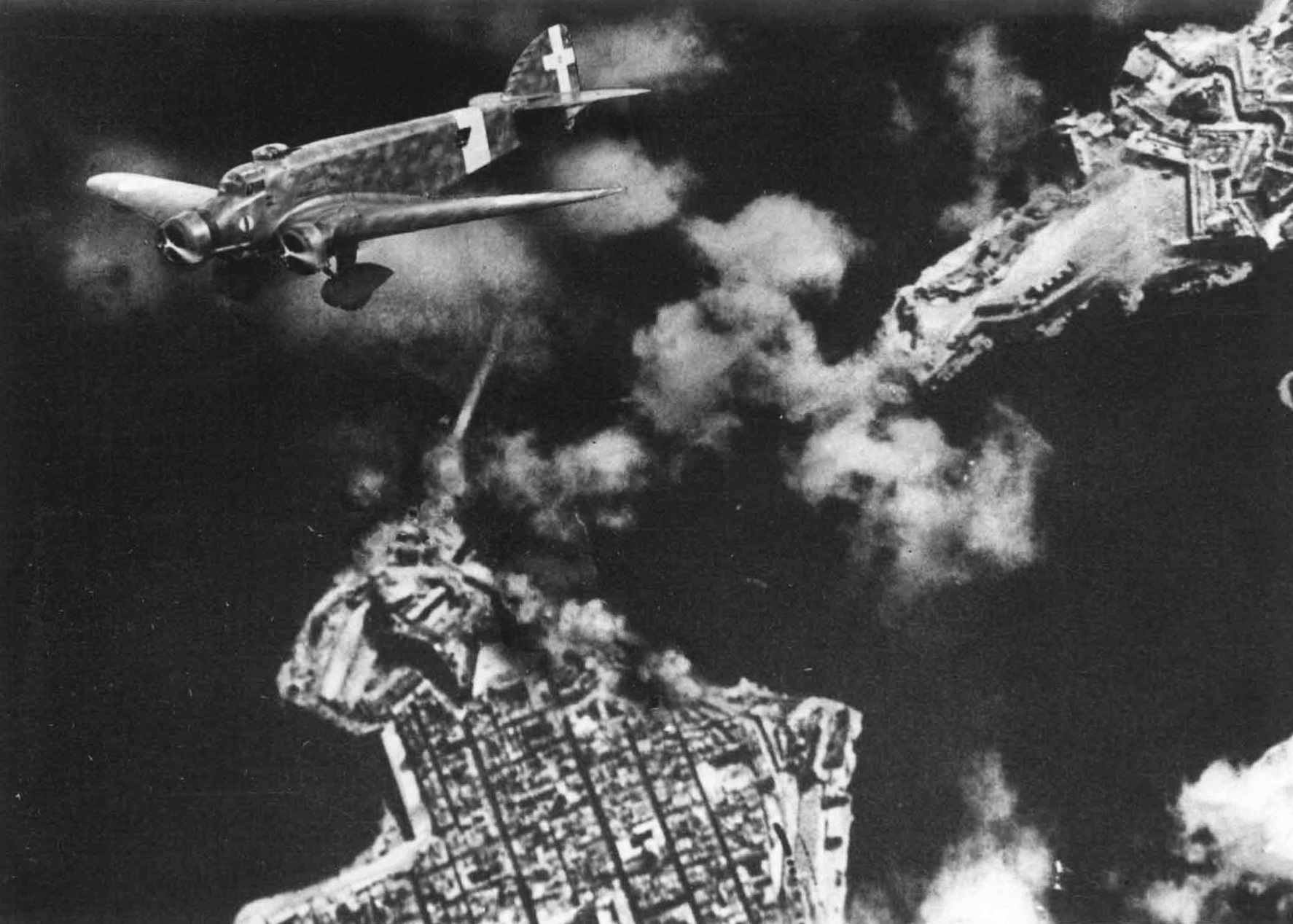
Bombs falling around Grand Harbour during an Italian air raid over Malta, 19 June 1941.

Malta: Air Siege and Convoy War

10 June 1940 to 20 November 1942 · Malta and the central Mediterranean · 894 days

Malta sat across the shipping lanes between Italy and the Axis armies in North Africa. Its airfields, submarines and surface forces threatened those routes, while the island itself depended on convoys for food, fuel, ammunition and aircraft. From 1940 to late 1942 the struggle became a connected air and sea campaign: suppress the base, keep it supplied, and decide whether Malta could continue to interfere with the war in the central Mediterranean.

Central Archives of the State, Italy · photographer unknown · public domain in Italy

SPAN
894 daysFrom Italy's entry into the war to the arrival of Operation Stoneage in Grand Harbour
APRIL 1942
9,599 Luftwaffe sortiesAbout 6,500 tons of bombs were dropped during the peak month of the German air offensive
OPERATION PEDESTAL
5 of 14 merchant vesselsFive reached Malta in August 1942, including the damaged tanker Ohio
OPERATION STONEAGE
4 of 4 merchant shipsAll four reached Grand Harbour on 20 November 1942
VICTORY KITCHENS
About 100,000 peopleUsing communal meals by October 1942 as food scarcity and malnutrition deepened
Marker affiliation Allied Axis Other / contested
Map layers

01 / 13

Why Malta Mattered

Airfields, Grand Harbour and the sea lanes to North Africa

Malta lies between Sicily and the North African coast, close enough to the routes from Italy to Libya for aircraft, submarines and surface ships based on the island to attack Axis traffic. Grand Harbour and the dockyard gave the Royal Navy a repair and operating base; Luqa, Hal Far and Ta' Qali supported fighters and offensive aircraft. The same geography exposed the island to sustained attack from Sicily and southern Italy.

The strategic problem changed with the North African land campaign. When Axis armies advanced toward Egypt, fuel and ammunition moving across the Mediterranean became more important and Malta-based attacks on shipping carried greater operational weight. When the island's airfields were suppressed or its submarines forced away, Axis convoys moved under less pressure. Malta's value therefore depended on keeping enough aircraft, fuel, ammunition and shipping capacity alive to remain an operating base.

The Air Siege

Airfields, dockyards and aircraft under sustained attack

Italian aircraft attacked Malta from 11 June 1940, initially against airfields and seaplane facilities. German aircraft entered the battle in January 1941 when Fliegerkorps X moved to Sicily. The attacks on HMS Illustrious and Grand Harbour demonstrated how quickly the Luftwaffe could concentrate dive-bombers against a fixed naval base, but German air strength was soon pulled toward the Balkans and the Soviet Union.

The most systematic attempt to neutralise Malta began in early 1942. Under Albert Kesselring's command, Axis planning concentrated first on anti-aircraft defences and airfields, then on aircraft on the ground and the naval base. The Luftwaffe flew 2,447 sorties in February, 4,927 in March and 9,599 in April. Serviceability fell sharply as runways, dispersals and maintenance areas were repeatedly hit, while newly arrived fighters could be destroyed before they were fully integrated.

Carrier ferry operations kept replacing those losses. Fifteen Spitfire Vs reached Malta from HMS Eagle on 7 March. USS Wasp delivered another group in April, then returned with HMS Eagle for the larger reinforcement of 9 May. Ground crews dispersed, refuelled and armed the new fighters immediately. By mid-May the RAF had enough serviceable aircraft to contest the daylight battle more effectively, and German units began moving away from the sustained neutralisation effort.

Command & Decision

Keeping the base alive while keeping it offensive

Malta's command problem linked air defence, naval operations and civilian endurance. William Dobbie and, later, the island's wartime administration had to keep the airfields, dockyard, shelters and supply system functioning while Hugh Lloyd and Keith Park managed a fighter force whose serviceability could change within hours. At sea, Andrew Cunningham's Mediterranean Fleet and Edward Syfret's Pedestal force accepted exceptional exposure because Malta's survival affected the wider contest for the central Mediterranean.

Axis command attacked the same system from several directions. Hans Geisler's X. Fliegerkorps brought concentrated German air power into the battle in January 1941. Under Kesselring, Bruno Loerzer's II. Fliegerkorps carried much of the 1942 neutralisation campaign against the airfields and harbour. At sea, Angelo Iachino's battle fleet threatened the eastern supply route while Alberto da Zara's 7th Naval Division directly engaged Operation Harpoon in June.

The two sides were therefore solving connected operational problems. Malta had to preserve enough aircraft, fuel, ships and repair capacity to remain useful; Axis commanders had to suppress that base while keeping their own supply traffic moving to North Africa. Every shift in fighter strength or convoy success changed what the next commander could attempt.

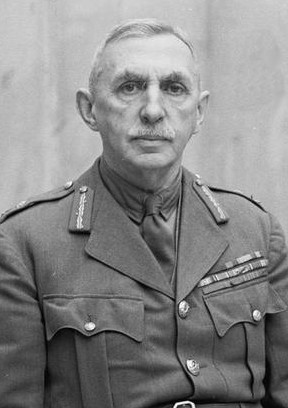
William Dobbie
Lieutenant-General, British Army

William Dobbie

Governor and Commander-in-Chief, Malta, April 1940–May 1942

Dobbie commanded Malta through the opening Italian attacks and most of the 1942 air offensive. His headquarters had to preserve the garrison, dockyard, airfields and civil administration while shipping losses reduced food and fuel reserves. He left the island in May 1942, just as the larger Spitfire reinforcement began to restore the fighter defence after the April bombing peak.

British Government official photograph / Imperial War Museums GM 786 · public domain (UK Government) · Source
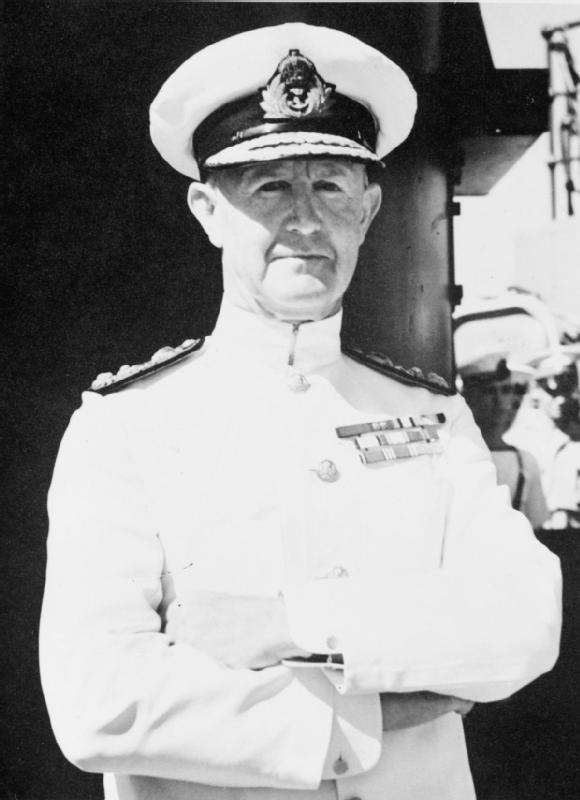
Andrew Cunningham
Admiral, Royal Navy

Andrew Cunningham

Commander-in-Chief, Mediterranean Fleet, 1939–1942

Cunningham treated Malta as part of the fleet's operating system in the central Mediterranean. His command escorted convoys, covered reinforcement movements and accepted repeated exposure to Axis air power because the island's dockyard, submarines and surface forces affected the sea route to Libya. He left the Mediterranean command before the summer 1942 convoy crisis reached its peak.

Royal Navy official photographer / Imperial War Museums A 9760 · public domain (UK Government) · Source
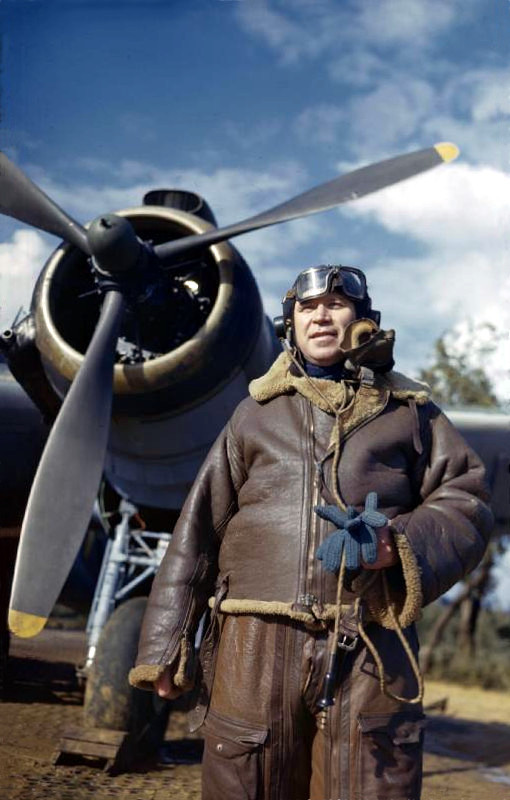
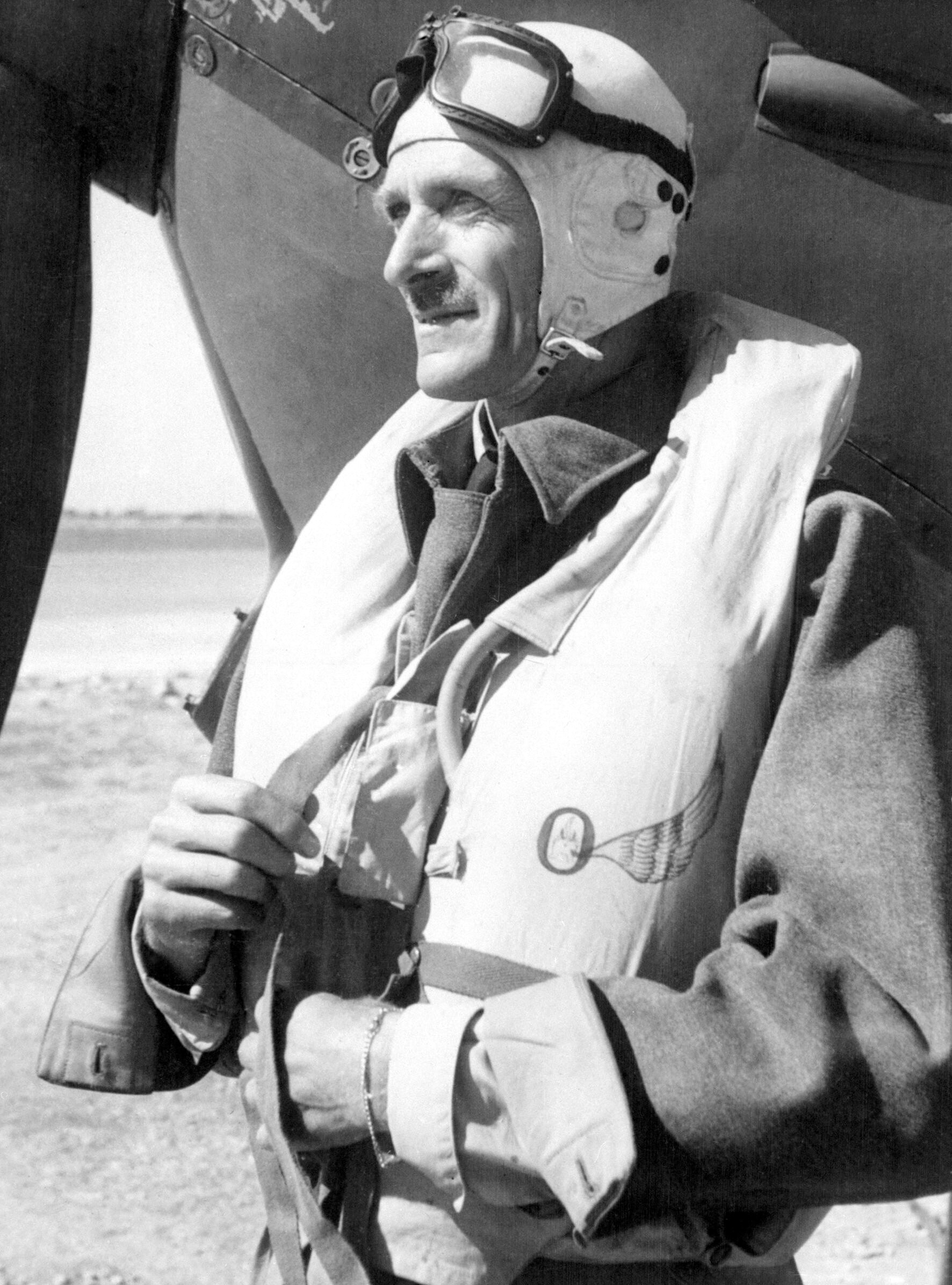
Hugh Pughe Lloyd
Air Vice-Marshal, Royal Air Force

Hugh Pughe Lloyd

Air Officer Commanding, Malta, June 1941–July 1942

Lloyd commanded Malta's air forces through the heaviest phase of the 1942 neutralisation offensive. He had to preserve a fighter force under repeated airfield attack while maintaining reconnaissance and anti-shipping operations whenever aircraft and fuel allowed. His command received the first Spitfire reinforcements and survived the April peak before the larger May deliveries restored a more sustainable fighter strength.

British official photographer / Imperial War Museums TR 1593 · public domain (UK Government) · Source
Keith Park
Air Vice-Marshal, Royal Air Force

Keith Park

Air Officer Commanding, Malta, from July 1942

Park took command after the spring crisis and reorganised fighter interception around earlier engagement of incoming formations. The stronger Spitfire force and improved control system met the renewed October assault with a defence able to keep the airfields functioning. That mattered directly to the convoy war because fighters, reconnaissance aircraft and anti-shipping squadrons could continue operating from Malta.

Royal Air Force official photographer / Imperial War Museums CM 3513 · public domain (UK Government) · Source
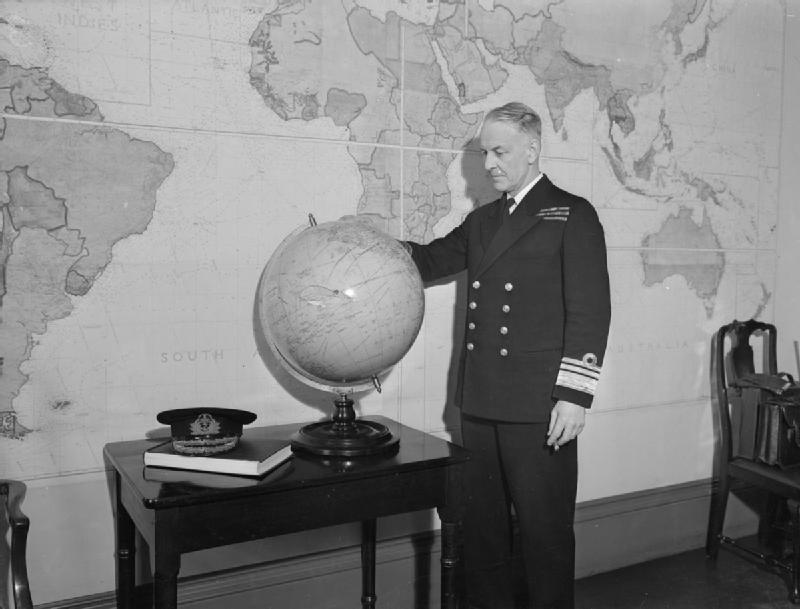
Edward Neville Syfret
Vice-Admiral, Royal Navy

Edward Neville Syfret

Overall naval commander, Operation Pedestal

Syfret commanded the naval forces assembled to force Pedestal through the western and central Mediterranean. Carriers, battleships, cruisers and destroyers protected fourteen merchant vessels until the heavy covering force had to turn west before the Sicilian narrows. The scale of his command reflected the priority attached to delivering enough fuel, food and ammunition to keep Malta operating.

Lt C. J. Ware, Royal Navy official photographer / Imperial War Museums A 21413 · public domain (UK Government) · Source
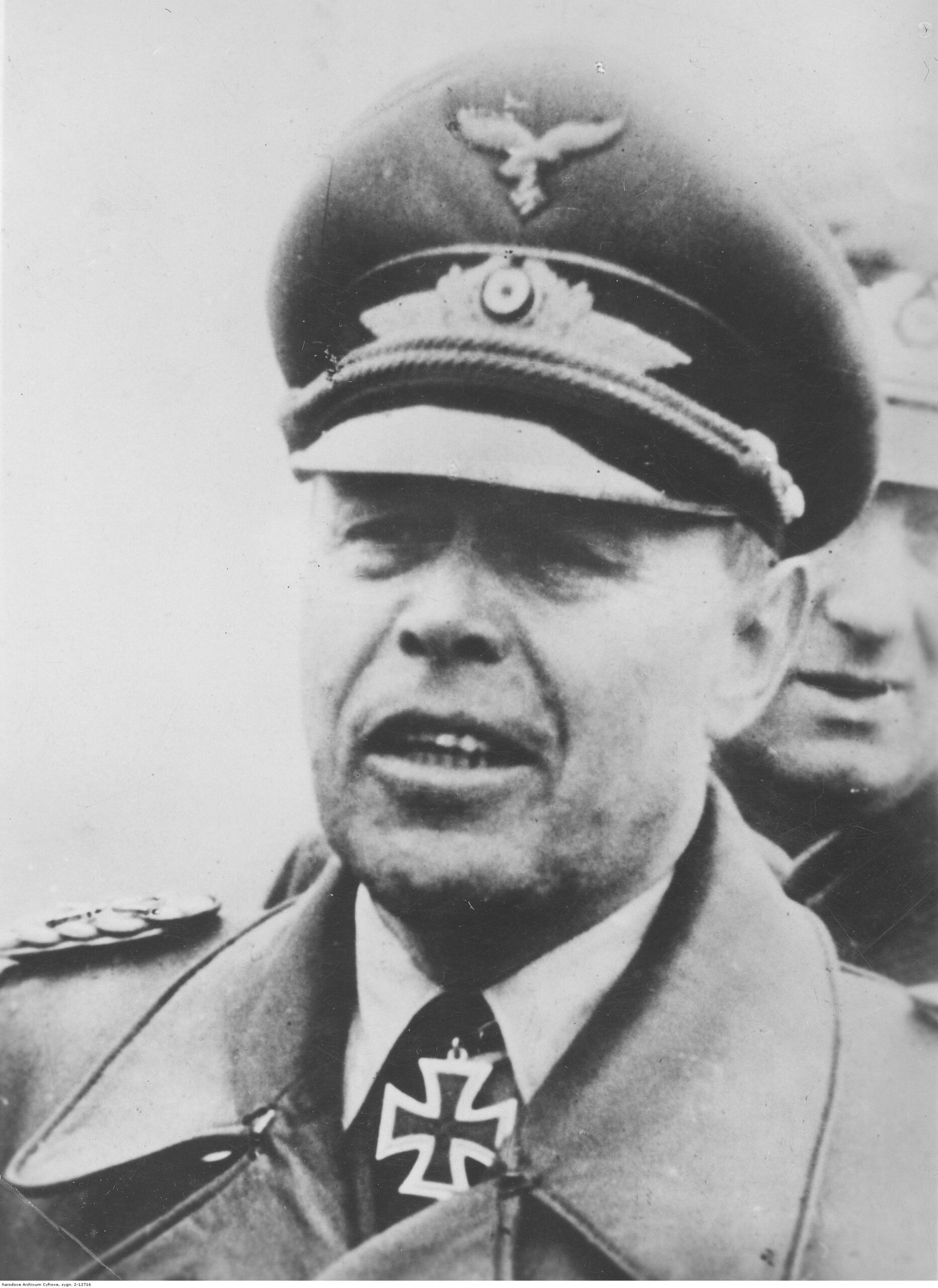
Albert Kesselring
Generalfeldmarschall, Germany

Albert Kesselring

Oberbefehlshaber Süd

Kesselring directed the German air effort that sought to neutralise Malta in 1942. His command concentrated on anti-aircraft positions, airfields, aircraft and harbour infrastructure so the island would lose both defensive strength and the ability to attack Axis shipping. The spring offensive came close to producing that operational condition before fighter reinforcement and changing Mediterranean priorities reduced the pressure.

Photographer unknown / National Digital Archive, Poland · public domain in Poland · Source
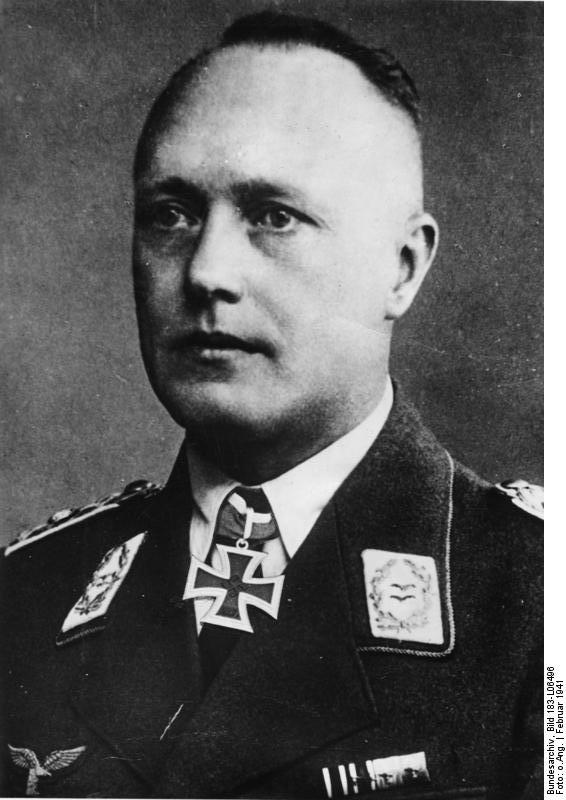
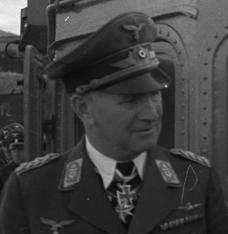
Hans Ferdinand Geisler
General der Flieger, Germany

Hans Ferdinand Geisler

Commanding General, X. Fliegerkorps

Geisler brought X. Fliegerkorps to Sicily at the end of 1940 to attack Allied shipping and strengthen Axis air power over the central Mediterranean. His dive-bomber and medium-bomber formations struck HMS Illustrious in January 1941 and then attacked the carrier while she was under repair in Grand Harbour. The deployment marked the first major German concentration against Malta.

Bundesarchiv Bild 183-L06496 · CC BY-SA 3.0 DE · Source
Bruno Loerzer
General der Flieger, Germany

Bruno Loerzer

Commanding General, II. Fliegerkorps

Loerzer commanded II. Fliegerkorps after its transfer to Sicily, where it supplied much of the Luftwaffe strength used against Malta in 1942. Its bomber and fighter units took part in the sustained attacks on the airfields, harbour and incoming shipping during the spring neutralisation campaign. The corps remained central to the German effort as the convoy war intensified.

Bundesarchiv Bild 146-1979-174-10 · CC BY-SA 3.0 DE · Source
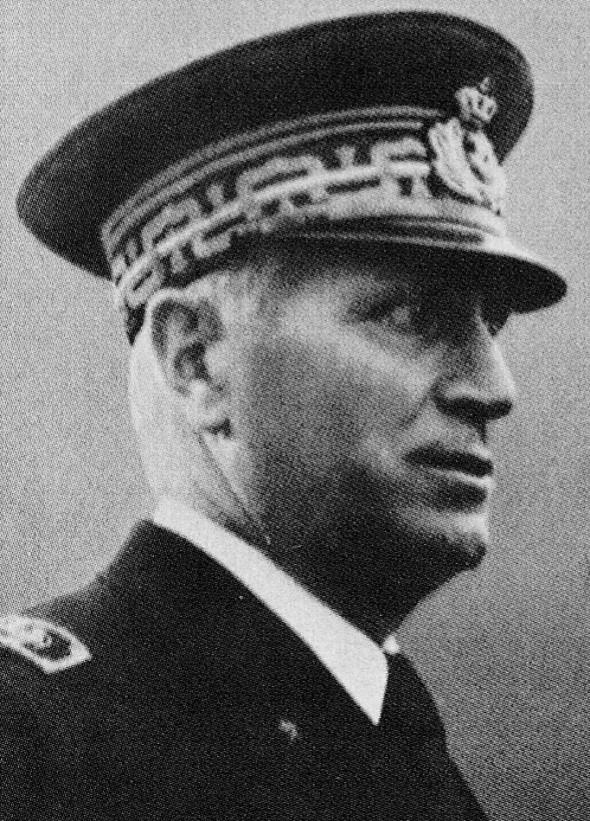
Angelo Iachino
Ammiraglio di squadra, Italy

Angelo Iachino

Commander-in-Chief, Italian Battle Fleet

Iachino commanded the principal Italian fleet force used to contest Malta convoys. During Operation Vigorous in June 1942, his battleships and cruisers sailed from Taranto toward the eastbound convoy. The prospect of meeting that force, combined with sustained Axis air and submarine attack, helped drive the decision to turn Vigorous back before it reached Malta.

Photographer unattributed · public domain (Italy/PD-1996 as stated by Commons) · Source
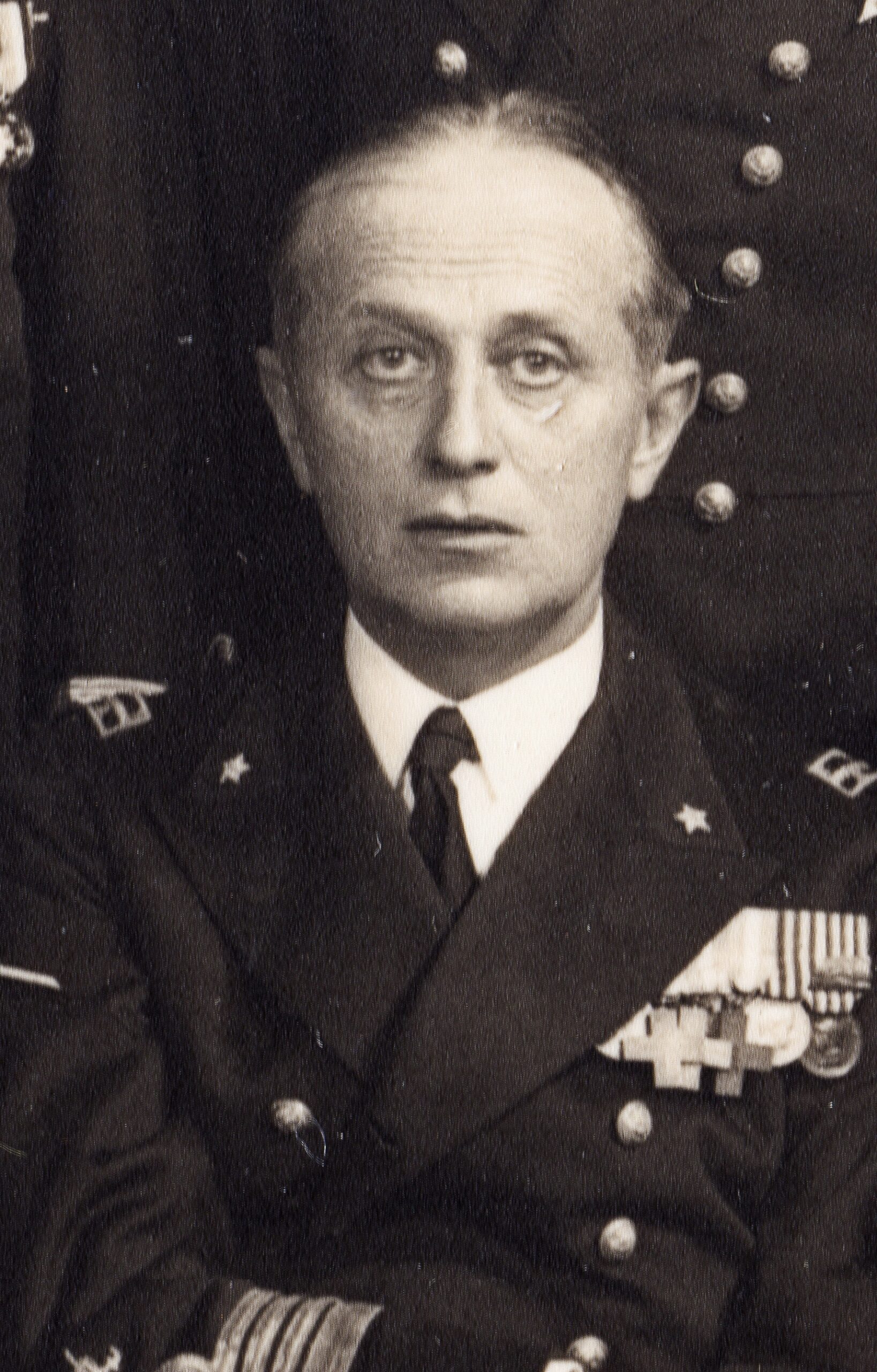
Alberto da Zara
Ammiraglio di divisione, Italy

Alberto da Zara

Commander, 7th Naval Division, Operation Harpoon

Da Zara commanded the Italian 7th Naval Division sent from Palermo against the westbound Harpoon convoy in June 1942. His cruisers Montecuccoli and Eugenio di Savoia intercepted the close escort south of Pantelleria on 15 June while Axis aircraft were attacking the same convoy. The action added surface pressure to a convoy already reduced by air attack and mines.

Japanese Navy Ministry photograph · 9 October 1938 · public domain in Japan · Source

Ships, Guns & Machines

Fighters, anti-aircraft guns, submarines and convoy ships

Malta's defence changed as new aircraft arrived. The Sea Gladiators of 1940 became a remembered symbol of the opening phase, while Hurricanes carried most of the fighter burden through 1941. Spitfire Vs transformed the daylight fight in 1942 once enough could be ferried in, dispersed and kept serviceable. Bofors guns and heavier anti-aircraft batteries added a dense ground defence around the airfields and harbour.

The offensive system reached beyond the island. U-class submarines operated against Axis traffic from Malta, and Force K used fast cruisers and destroyers to strike convoys at night. Beaufort torpedo-bombers added another way to attack shipping and naval covering forces. Axis bombers and torpedo aircraft attacked the same network from the other side, while merchant ships such as Ohio carried the fuel without which fighters, submarines and surface forces could not continue operating.

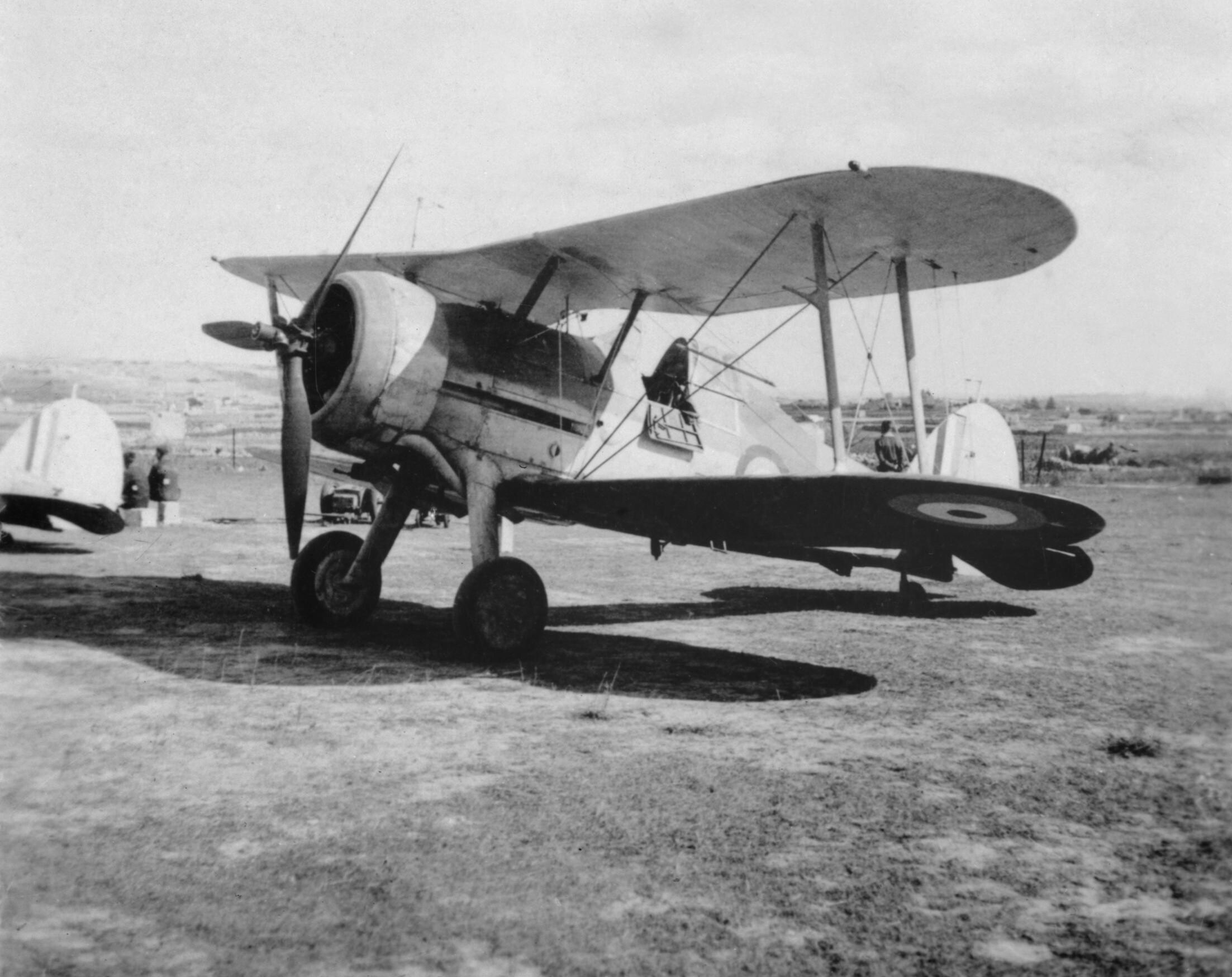
Gloster Sea Gladiator Mk I N5520
Gloster Sea Gladiator N5520 on Malta, circa September 1940.
Official photograph / Imperial War Museums ZZZ 3915E · public domain (UK Government) · Source

Gloster Sea Gladiator Mk I N5520

Single-seat biplane fighter · 3 × 0.303 in Browning machine guns · Malta fighter defence, 1940

Sea Gladiators formed the small fighter force available at the opening of the air campaign. N5520 served on Malta and later became the surviving aircraft associated with the island's Gladiator defence. Their limited speed and numbers made the arrival of Hurricanes increasingly important as Axis air strength grew.

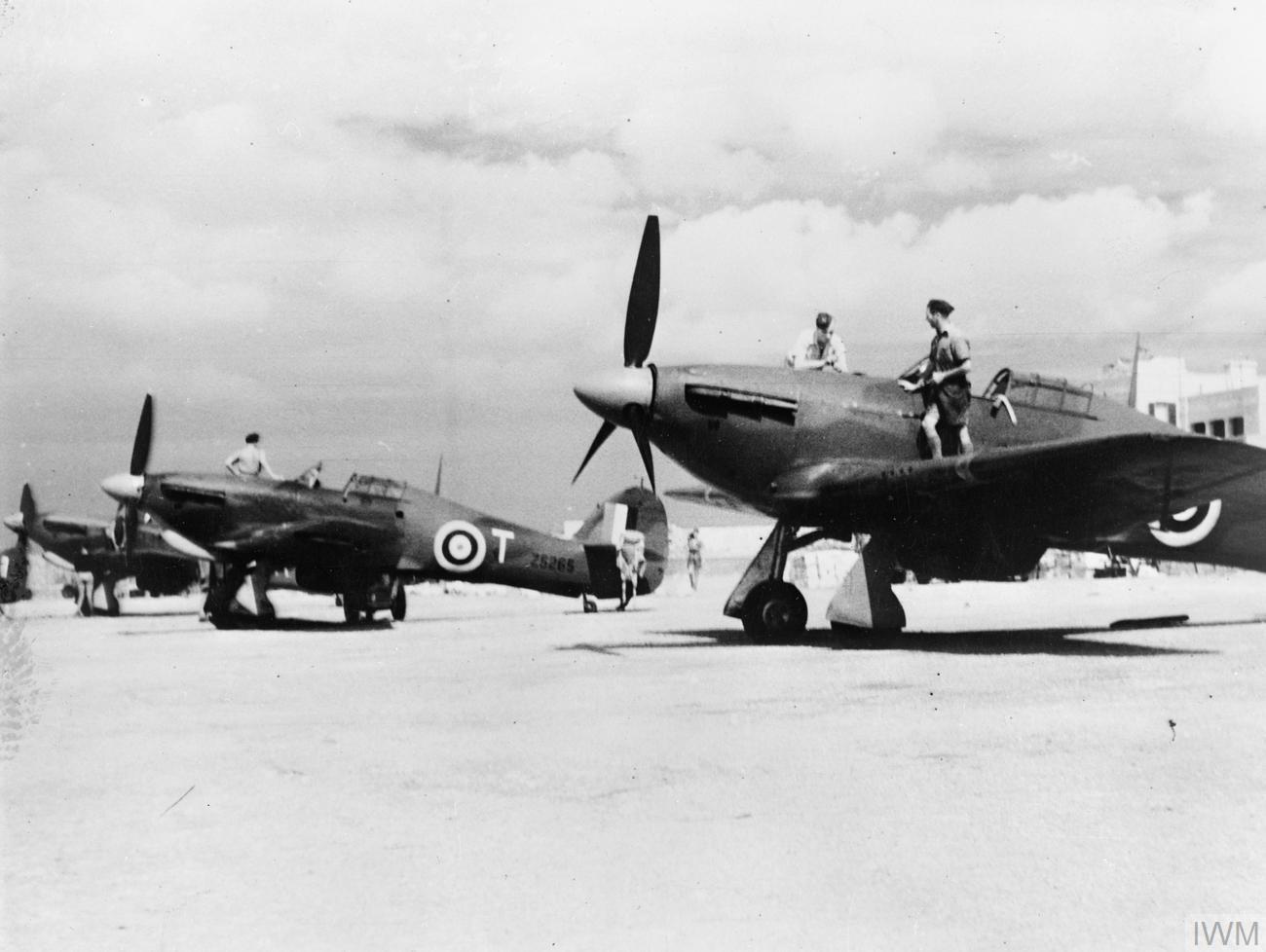
Hawker Hurricane Mk II
RAF Hurricanes at Hal Far, Malta, during the wartime air campaign.
Royal Air Force official photograph / Imperial War Museums CM 1356 · public domain (UK Government) · Source

Hawker Hurricane Mk II

Single-seat fighter · 12 × 0.303 in machine guns on Mk IIB variants · principal Malta fighter before the Spitfire

Hurricanes carried much of Malta's fighter defence through 1941 and the opening of 1942. They could intercept bombers effectively but were increasingly disadvantaged against later Bf 109 variants. Their continued use alongside newly arriving Spitfires reflects how urgently the island needed every serviceable fighter.

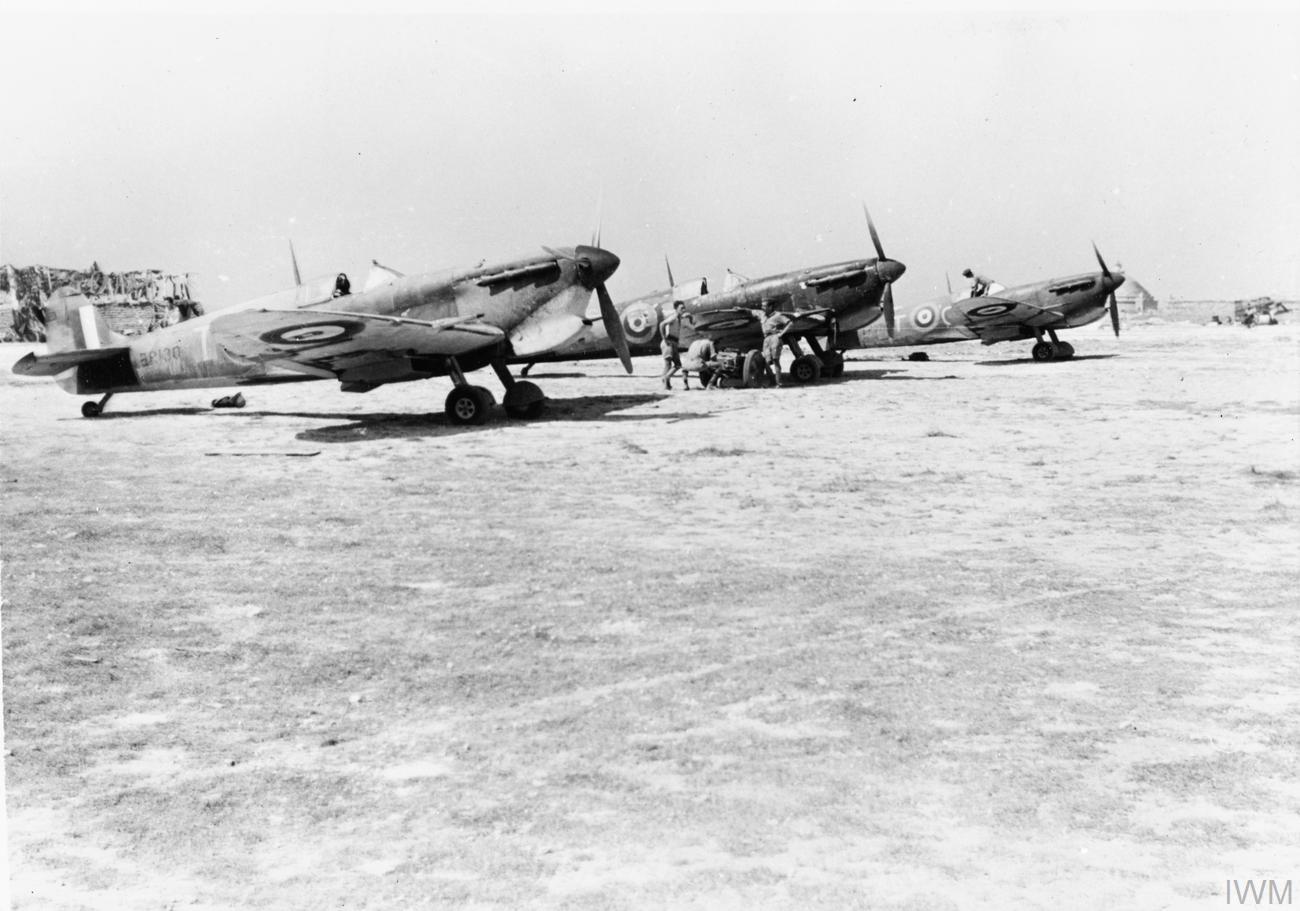
Supermarine Spitfire Mk Vc
No. 249 Squadron Spitfire Vcs at readiness at Ta' Qali, Malta, 1942.
Royal Air Force / Imperial War Museums CM 3270 · public domain (UK Government) · Source

Supermarine Spitfire Mk Vc

Single-seat fighter · Merlin engine · cannon-and-machine-gun armament · carrier-ferried to Malta in 1942

The Spitfire V gave Malta a fighter able to contest the Bf 109 on better terms. Its usefulness depended on delivery and ground handling: carrier-ferried aircraft had to reach Malta, disperse quickly and remain supplied with fuel, ammunition and spare parts. The May reinforcement finally produced a force large enough to sustain the daylight defence.

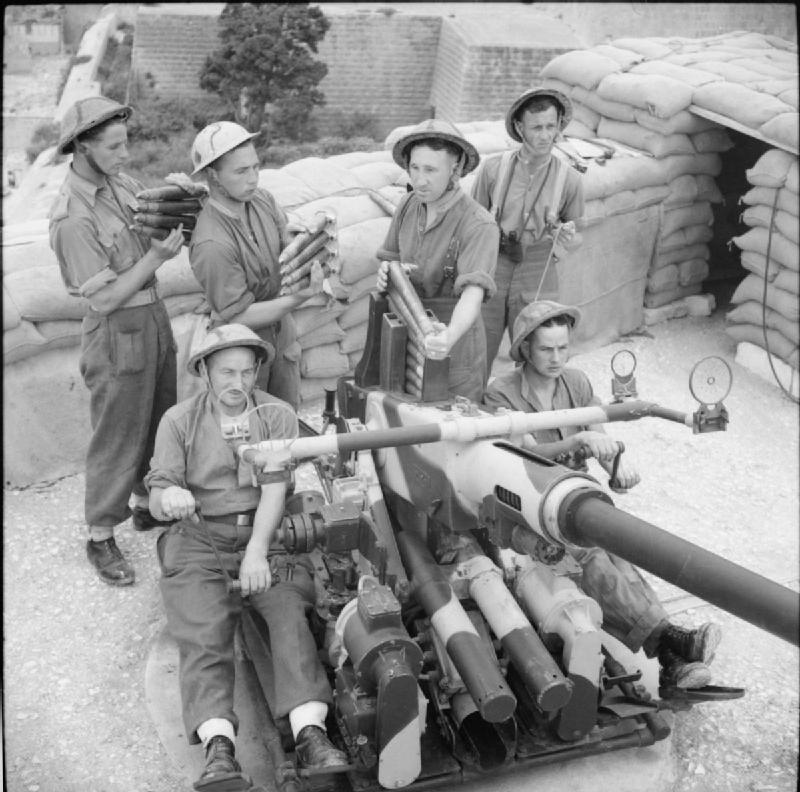
Bofors 40 mm anti-aircraft gun
A 40 mm Bofors gun and crew on Malta, 12 May 1942.
Lt H. E. Cook, War Office official photographer / Imperial War Museums GM 744 · public domain (UK Government) · Source

Bofors 40 mm anti-aircraft gun

40 mm automatic anti-aircraft gun · effective against low- and medium-altitude attack · mobile ground defence

Bofors batteries defended airfields, harbour approaches and other point targets against low-level attack. Their fire forced attacking aircraft to divide attention between bombing accuracy and survival, while radar, observers and heavier anti-aircraft guns formed the wider island defence system.

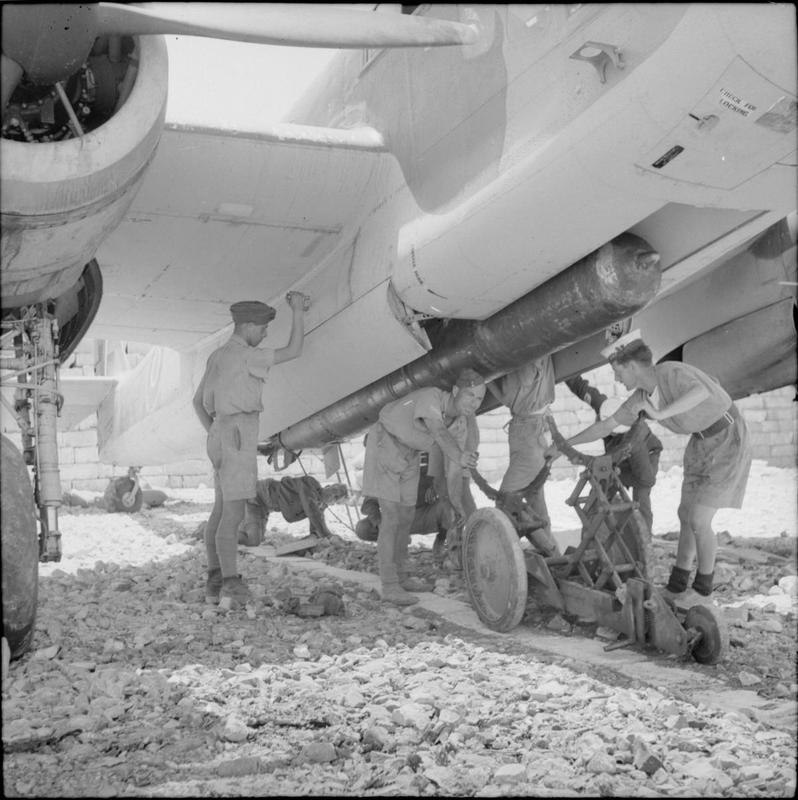
Bristol Beaufort Mk I
A Beaufort at Luqa is loaded with a torpedo for a sortie against the Italian naval force threatening Operation Harpoon, June 1942.
Lt H. E. Cook, War Office official photographer / Imperial War Museums GM 1024 · public domain (UK Government) · Source

Bristol Beaufort Mk I

Twin-engine torpedo bomber · 18 in aerial torpedo · maritime strike aircraft

Beauforts based on Malta attacked Axis shipping and naval forces when fuel, aircraft and air cover allowed. Their torpedoes extended the island's offensive reach beyond the surface forces and submarines. During the June convoy battles they were also used against Italian naval units threatening Allied supply operations.

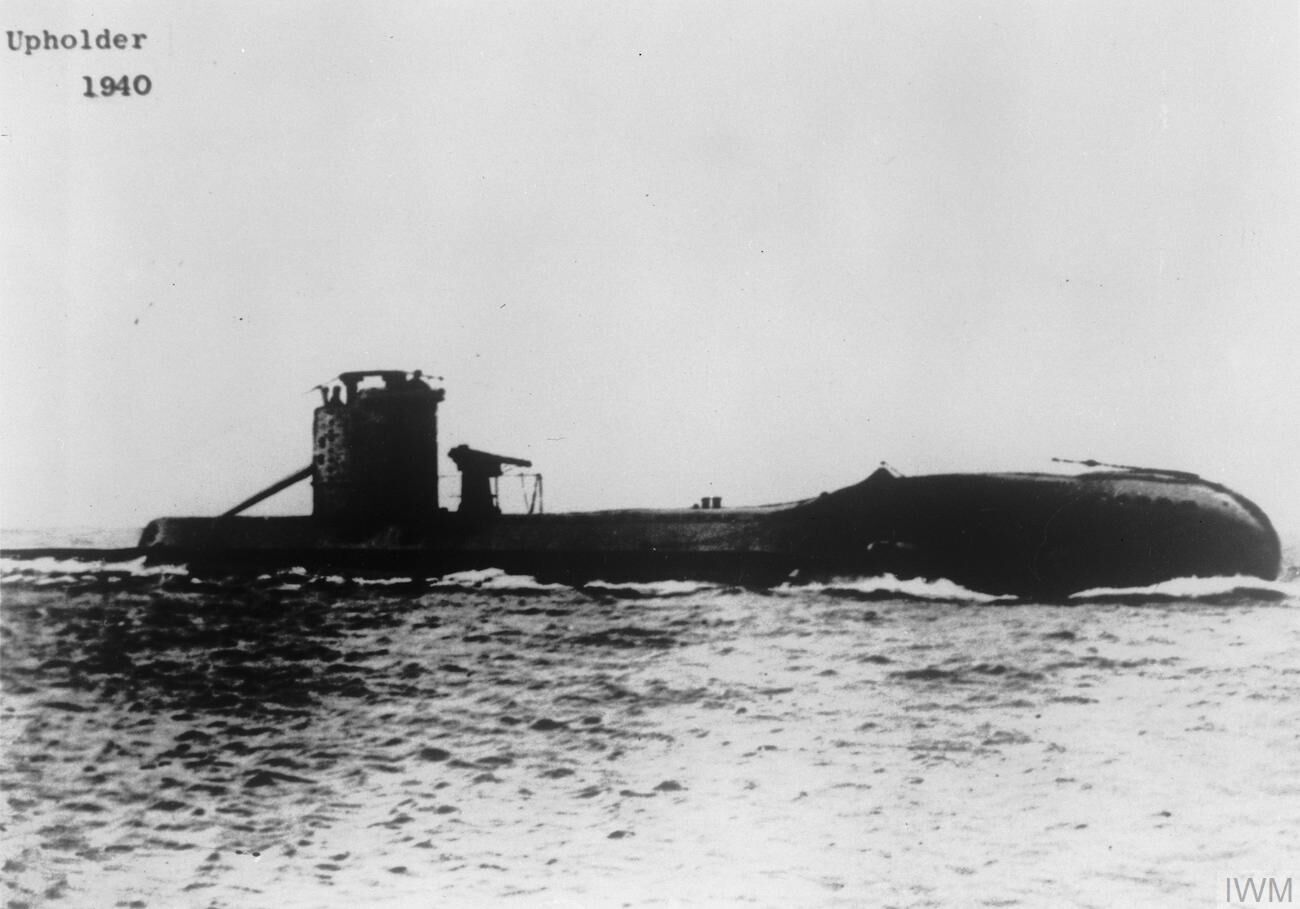
HMS Upholder
The U-class submarine HMS Upholder underway in 1940.
Royal Navy official photographer / Imperial War Museums FL 3803 · public domain (UK Government) · Source

HMS Upholder

U-class submarine · 4 bow torpedo tubes · Malta-based 10th Submarine Flotilla

Upholder represents the submarine campaign conducted from Malta against Axis shipping. Small U-class boats were well suited to the confined Mediterranean operating area, but their effectiveness depended on a functioning dockyard, torpedo stocks, fuel and air reconnaissance. Heavy Axis pressure on Malta therefore attacked the submarine campaign indirectly as well as directly.

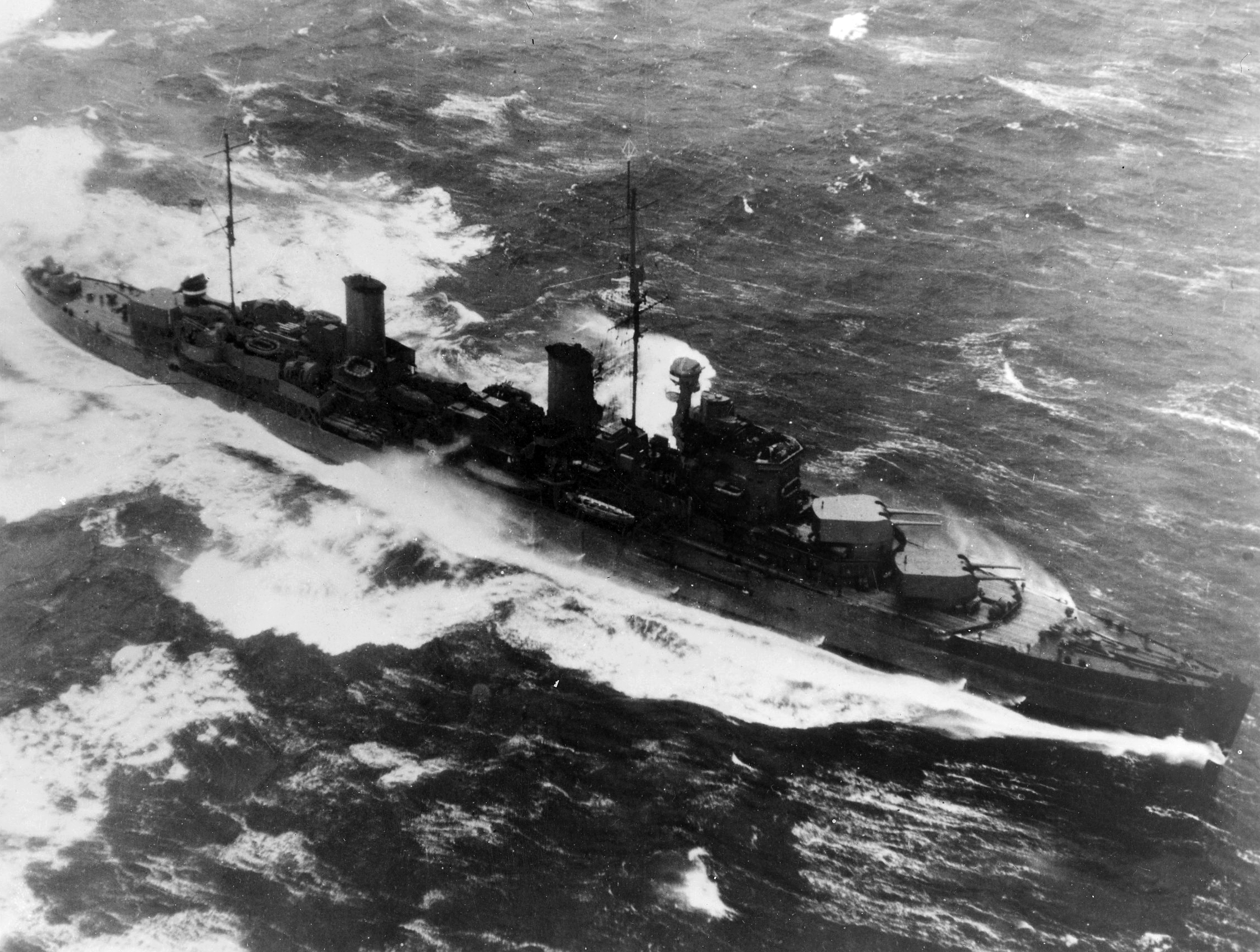
HMS Aurora
HMS Aurora underway in November 1940, before her Malta service with Force K.
U.S. Navy / National Archives 80-G-70075, NAID 148728726 · public domain · Source

HMS Aurora

Arethusa-class light cruiser · 6 × 6 in guns · Force K surface striking force

Aurora was one of the fast cruisers used by Force K from Malta to intercept Axis convoys at night. Radar, speed and concentrated gunfire allowed the force to attack shipping before withdrawing toward the island. Its November 1941 success made Malta's surface threat impossible for Axis planners to ignore.

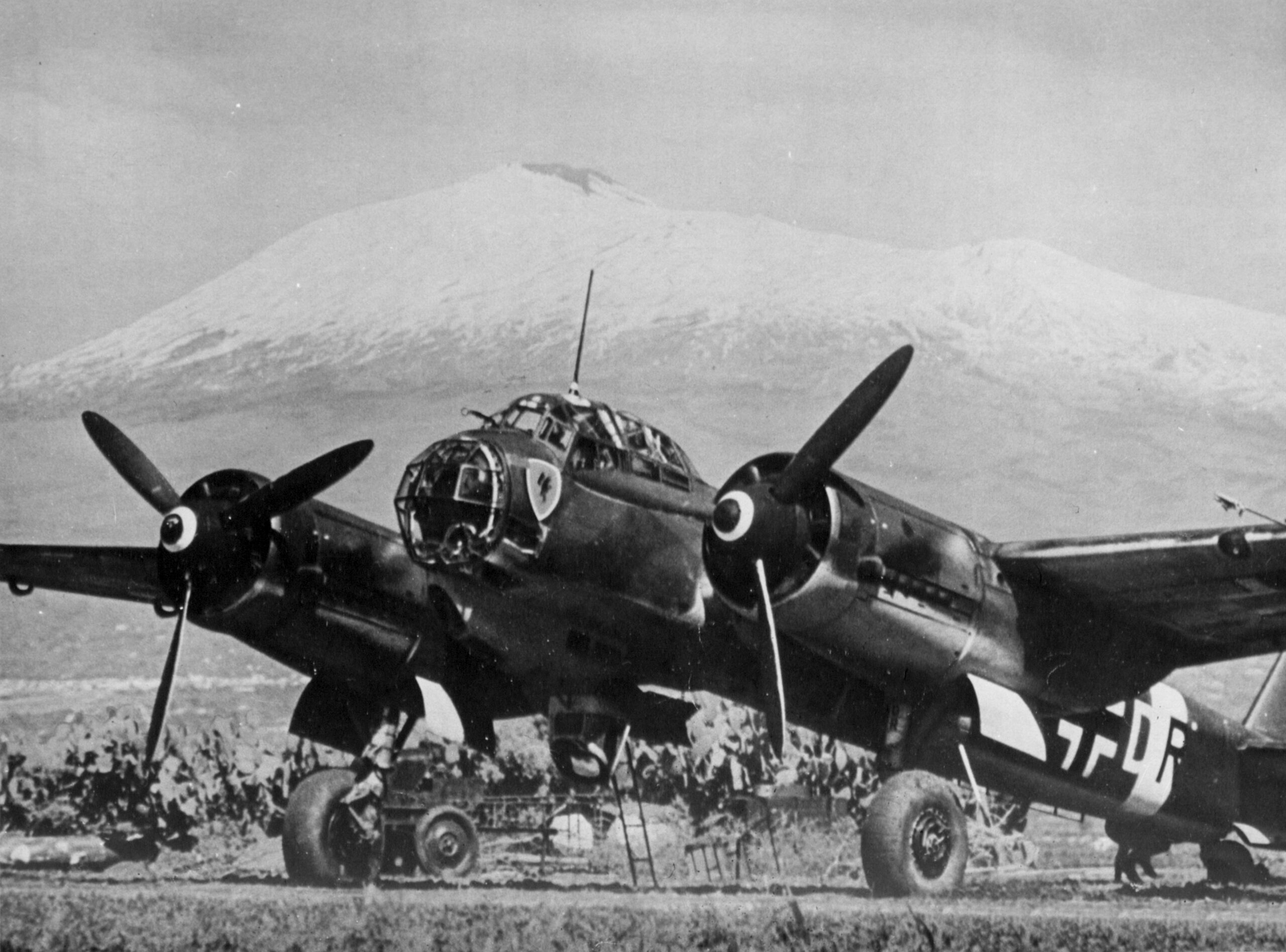
Junkers Ju 88 A-5
A Ju 88 A-5 of 7./KG 30 at Gerbini, Sicily, 1941.
U.S. National Archives / U.S. Army Air Forces collection, NAID 204919009 · no known restrictions · Source

Junkers Ju 88 A-5

Twin-engine medium bomber · dive-bombing capability · KG 30 operated from Sicily in 1941

Ju 88 units operating from Sicily attacked Malta's airfields, harbour and shipping. The aircraft combined useful bomb load, range and dive-bombing accuracy, making it well suited to the repeated strikes required by the 1942 neutralisation campaign. Sortie generation from nearby Sicilian bases was as important as the performance of the individual bomber.

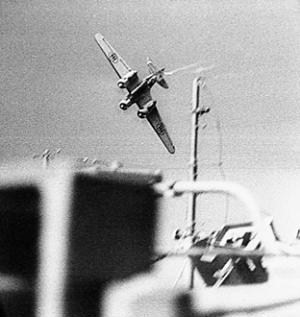
Savoia-Marchetti SM.79
An SM.79 attacks a Malta-bound convoy, 1940–1942.
Imperial War Museums film frame · photographer unknown · public domain (UK Government) · Source

Savoia-Marchetti SM.79

Three-engine bomber and torpedo aircraft · Regia Aeronautica and Italian torpedo-bomber units

The SM.79 served in both bombing and torpedo roles against Malta-bound shipping. Torpedo-equipped units attacked convoys and escorts along routes where merchant ships had limited room to manoeuvre. Italian aircraft therefore remained part of the convoy threat even when the Luftwaffe carried the heaviest share of the island bombing.

SS Ohio
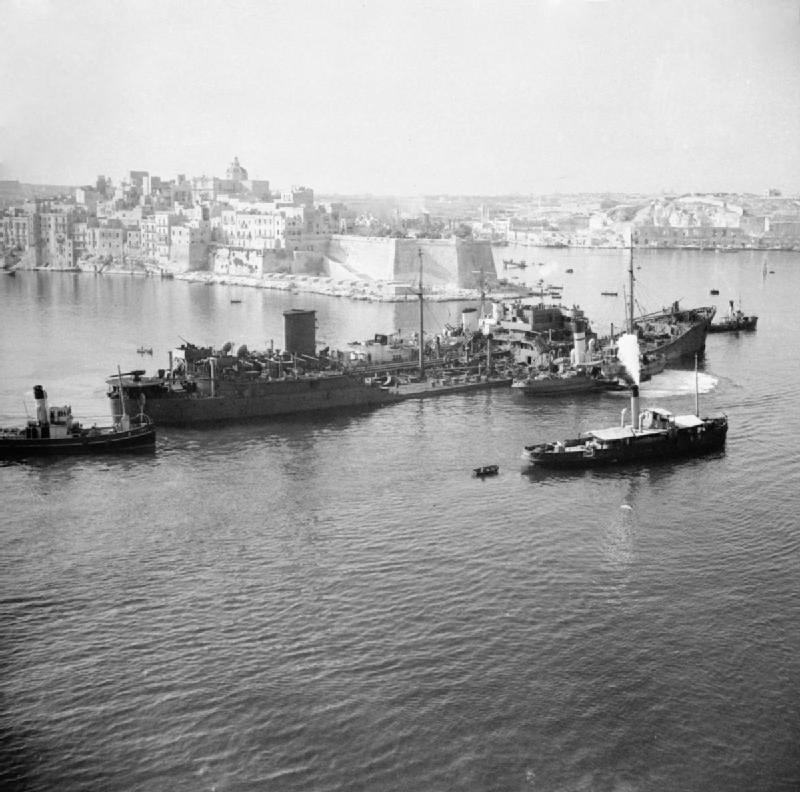
The damaged tanker Ohio supported by Royal Navy destroyers as she approaches Malta, 15 August 1942.
Lt H. E. Cook, War Office official photographer / Imperial War Museums GM 1480 · public domain (UK Government) · Source

SS Ohio

Oil tanker · aviation-fuel cargo · Operation Pedestal, August 1942

Ohio carried the fuel Malta needed to keep aircraft and submarines operating. Repeated torpedo and bomb damage stopped her engines and weakened the hull, so destroyers supported the tanker during the final approach. Her arrival on 15 August turned one merchant ship into a direct operational link between the convoy battle and the renewed offensive from Malta.

The Convoy War

Gibraltar, Alexandria and the narrowing margin of supply

Malta consumed supplies faster as the air offensive intensified. Convoys from Gibraltar and Alexandria had to cross waters covered by Axis aircraft, submarines, torpedo boats and surface forces. Escorts could protect a convoy only so far; every merchant ship lost reduced the food, aviation fuel, ammunition and spare parts available after arrival.

The June 1942 operations Harpoon and Vigorous showed how narrow the margin had become. Harpoon approached from Gibraltar and brought only two of its six merchant ships into Malta. Vigorous sailed from the east but turned back after repeated air attack, submarine threats and the prospect of interception by the Italian fleet. The two operations failed to restore the island's supply position.

Operation Pedestal in August assembled a much larger escort around fourteen merchant vessels. The carrier Eagle was sunk on 11 August, and air, submarine and surface attacks inflicted severe losses as the convoy moved east. Five merchant vessels ultimately reached Malta. The damaged tanker Ohio entered Grand Harbour on 15 August with destroyers supporting her hull; her fuel cargo helped restore the island's ability to operate aircraft and submarines.

Pedestal bought time. A regular, safer supply rhythm emerged only after the strategic situation changed in North Africa. El Alamein forced the Axis army west, Torch opened another Allied front, and Allied aircraft gained access to more North African airfields. Operation Stoneage then brought all four merchant ships into Grand Harbour on 20 November. Malta could again be supplied without accepting the loss rates that had defined the summer.

Shelters, Rations and the Victory Kitchens

Civilian survival under bombing and shortage

The air campaign reached the densely built harbour towns as well as military installations. Valletta, Floriana and the Three Cities suffered repeated blast damage, fires and building collapse. Public and private shelters, rock-cut tunnels and improvised accommodation became part of daily life as alerts interrupted work, schooling, transport and sleep.

Supply losses narrowed civilian diets as 1942 progressed. Rationing could distribute only what reached the island, and shortages of flour, oil, meat and other staples produced weight loss and malnutrition. Victory Kitchens pooled ration entitlements and prepared communal meals; by October about 100,000 people were using them. The system conserved fuel and ingredients while making scarcity visible in long daily queues.

King George VI awarded the George Cross to the island in April 1942 during the peak bombardment. The decoration became part of Malta's wartime public identity, while the practical questions remained immediate: whether food would arrive, whether water and electricity could be restored after raids, and whether the airfields and harbour could continue functioning.

The Cost

Separate measures for air operations, supply and civilian strain

Air losses, merchant shipping, naval casualties, civilian deaths and supply failure belong to different accounting boundaries. Monthly sortie totals describe the intensity of the air offensive; convoy figures describe ships that sailed, were lost or arrived; civilian ration and kitchen records show another part of the same pressure.

April 1942 marks the peak of the Luftwaffe's sustained effort, with 9,599 sorties and about 6,500 tons of bombs recorded for the month. Pedestal then lost nine of fourteen merchant vessels while delivering five to Malta. Stoneage in November brought all four merchant ships through, a different result produced under a changed air and naval balance.

Civilian conditions followed the supply curve with a delay. By October, around 100,000 people were relying on Victory Kitchens. The figure measures participation in communal feeding and shows how deeply the convoy war had entered ordinary household survival.

2,447

Luftwaffe sorties in February 1942

A monthly operational measure for the opening of the sustained 1942 neutralisation effort against Malta.

9,599

Luftwaffe sorties in April 1942

The peak monthly air effort; RAF Museum records also give about 6,500 tons of bombs dropped during April.

5 of 14

Pedestal merchant vessels reaching Malta

Five merchant vessels reached the island from the August 1942 convoy, including the damaged tanker Ohio; nine were lost.

4 of 4

Stoneage merchant ships reaching Grand Harbour

All four merchant ships in Operation Stoneage arrived on 20 November 1942 under a changed Allied air and naval position.

About 100,000

People using Victory Kitchens by October 1942

A measure of civilian dependence on communal feeding during the late siege supply crisis, kept separate from casualty accounting.

46 / 30

Aircraft losses in the 11–19 October air battle

RAF Museum accounting for the final concentrated assault: 46 Luftwaffe aircraft lost against 30 RAF Spitfires during that defined period.

Sources & Archives

Official histories, operational records and Maltese collections

The British official Mediterranean history provides the operational framework for the air and naval campaign. RAF Museum chronologies and the Air Historical Branch records help separate monthly air activity, fighter reinforcement and German planning. Admiralty war diaries provide the convoy sequence for Pedestal and Stoneage.

Heritage Malta and University of Malta collections add the island's civilian and institutional record. Imperial War Museums and Wikimedia Commons file records are used for photographic identification, dates, archive numbers and rights. Image captions retain the date precision supplied by the originating archive.

  1. The Mediterranean and Middle East, United Kingdom Military Series, I. S. O. Playfair, F. C. Flynn, C. J. C. Molony and othersHMSO
  2. British Military Aviation, 1940Royal Air Force Museum
  3. British Military Aviation, 1942Royal Air Force Museum
  4. Memorandum on the Malta Situation, 10 May 1942RAF Air Historical Branch, translation of captured German documents
  5. Admiralty War Diary, August 1942Naval Historical Branch, Royal Navy
  6. Admiralty War Diary, November 1942Naval Historical Branch, Royal Navy
  7. Malta during the Second World WarHeritage Malta
  8. George Cross and Santa Marija Convoy collectionsNational War Museum, Heritage Malta
  9. Siege Conditions in Malta 1940–1942University of Malta Library
  10. The June 1942 Mediterranean convoy battlesMarina Militare
  11. Malta photographic and film collectionsImperial War Museums
  12. HMS Illustrious and the January 1941 Malta attacksUK Ministry of Defence
Operation chronologyDates, locations and sourced event summaries
DateEventLocationSummary
Tuesday 11 June 1940 · Opening raidsThe first air attacksHal Far and Kalafrana, Malta

The Regia Aeronautica opened its air campaign against Malta one day after Italy entered the war. Bombers and fighters crossed from Sicily to attack Hal Far and the seaplane base at Kalafrana, beginning a pattern in which the island's airfields and harbour installations were treated as operational targets tied to control of the central Mediterranean.

Sources 1, 2
Friday 10 January 1941 · Operation ExcessIllustrious brings the Luftwaffe into the battleEast of Malta

German dive-bombers attacked HMS Illustrious while the carrier covered Operation Excess east of Malta. Repeated hits killed and wounded large numbers of her crew and left the ship badly damaged, but she reached Grand Harbour, where dockyard workers began emergency repairs under the threat of further raids.

Sources 1, 12
Night of 8–9 November 1941 · Force KForce K strikes the Duisburg convoyCentral Mediterranean, east of Malta

Force K sailed from Malta to intercept the Axis Beta convoy, usually known by the name of the merchant ship Duisburg. The British cruisers Aurora and Penelope with the destroyers Lance and Lively attacked at night and destroyed the convoy's merchant ships along with the Italian destroyer Fulmine while suffering little damage in the action.

Sources 1
February 1942 · Neutralisation beginsKesselring concentrates on MaltaSicily and Malta

The Luftwaffe began a sustained neutralisation effort under Oberbefehlshaber Süd. German planning treated Malta as an operating system: anti-aircraft batteries, runways, dispersed aircraft, dockyard facilities and supply routes were attacked so that the island would lose both its defensive strength and its ability to strike Axis shipping.

Sources 3, 4
Saturday 7 March 1942 · Operation SpotterThe first Spitfire reinforcementMalta

HMS Eagle flew off fifteen Spitfire Vs during Operation Spotter, giving Malta a fighter with the speed and performance needed to meet the Bf 109 more evenly than the Hurricane. The aircraft still had to land on airfields under attack, enter dispersed service and survive bombing before their tactical value could be realised.

Sources 1, 11
19–20 April 1942 · Operation CalendarWasp carries Spitfires into the MediterraneanWestern Mediterranean to Malta

USS Wasp carried RAF Spitfire Vcs through Gibraltar and launched forty-six for Malta on 20 April. The mission answered a crisis in fighter strength during the heaviest month of the air siege, when the Luftwaffe was attacking airfields often enough to damage aircraft soon after they arrived.

Sources 3
Friday 1 May 1942 · After the April peakThe island after the April offensiveValletta and the airfields

April closed after 9,599 Luftwaffe sorties and about 6,500 tons of bombs dropped during the month. Airfields, dockyard facilities and towns around the harbour carried extensive damage, while the RAF had lost aircraft both in combat and on the ground. The bombing campaign had driven the island close to the condition German planners wanted: reduced fighter strength and sharply constrained offensive operations.

Sources 3, 7, 9
Saturday 9 May 1942 · Operation BoweryBowery restores the fighter battleMalta

USS Wasp and HMS Eagle delivered sixty Spitfires on 9 May. Malta's ground organisation had been changed after the losses following Calendar: the new fighters were dispersed, refuelled and armed within minutes, and RAF units flew 134 sorties that day as the reinforcement entered the battle before Axis raids could destroy it on the ground.

Sources 3, 4
12–16 June 1942 · Harpoon and VigorousTwo convoys fail to solve the supply crisisCentral and eastern Mediterranean

The Allies attempted to supply Malta simultaneously from Gibraltar and Alexandria. Operation Harpoon fought eastward through air, submarine and surface attack; only two of its six merchant ships reached Malta. Operation Vigorous approached from Egypt but faced repeated air attack, submarine danger and the prospect of interception by the Italian battle fleet and turned back before reaching the island.

Sources 1, 7, 10
Tuesday 11 August 1942 · Operation PedestalPedestal enters the attack zoneWestern Mediterranean

Operation Pedestal carried fourteen merchant vessels toward Malta behind an exceptionally large escort. On 11 August U-73 torpedoed and sank the carrier HMS Eagle. Axis reconnaissance had located the force, and the convoy now entered a sequence of submarine, air and surface attacks that would continue as it passed through the Sicilian narrows.

Sources 5, 7
Saturday 15 August 1942 · Santa Marija ConvoyOhio reaches Grand HarbourGrand Harbour, Malta

The crippled tanker Ohio reached Malta on 15 August supported by destroyers after torpedo and bomb damage had stopped her engines and weakened her hull. Four other merchant vessels from the fourteen-ship convoy also reached the island over the preceding days. Nine merchant vessels were lost.

Sources 5, 7, 8
11–19 October 1942 · Final air offensiveThe final concentrated air assault failsMalta

Axis air forces mounted another concentrated attack on Malta from 11 to 19 October. Around 2,400 sorties were flown as bombers and fighters again concentrated on the airfields, but the defence now had more Spitfires, improved warning and interception procedures, and a ground organisation hardened by the spring battles.

Sources 3
Friday 20 November 1942 · 01:30Stoneage restores the supply routeGrand Harbour, Malta

All four merchant ships of Operation Stoneage reached Grand Harbour at about 01:30 on 20 November. The convoy had sailed from Alexandria under escort at a moment when the strategic map around Malta was changing rapidly: the Eighth Army was advancing west after El Alamein, Torch had put Allied forces in French North Africa, and Axis airfields and naval routes were being pushed farther from the island.

Sources 1, 6

Image rights. British official photographs created before 1 June 1957 are public-domain UK Government works where the Commons file page identifies them as such. U.S. Navy and other U.S. federal photographs are public domain where stated by the source. The Italian archival hero photograph and the Polish archival Kesselring portrait retain the public-domain status stated on their Commons file pages. Map routes and arrows are deliberately generalised to show operational direction without claiming ship-by-ship tracks.