| Saturday 24 August 1940 · Two weeks before | German bombs fall on London | The City of London | During the night of 24–25 August German bombs fell in central and east London while Luftwaffe formations were attacking targets around the Thames Estuary and elsewhere. The familiar story reduces the incident to one lost crew; the surviving operational picture is less neat, but London had not yet been selected for the mass attack that began in September. Sources 1, 4, 12 |
| Wednesday 4 September 1940 · Three days before | Hitler threatens retaliation against British cities | Berlin | On 4 September Hitler used a Berlin speech to threaten massive retaliation against British cities after the RAF raids on the German capital. The speech was political theatre as well as policy signalling; it did not constitute the whole operational explanation for what followed. Sources 1, 10, 12 |
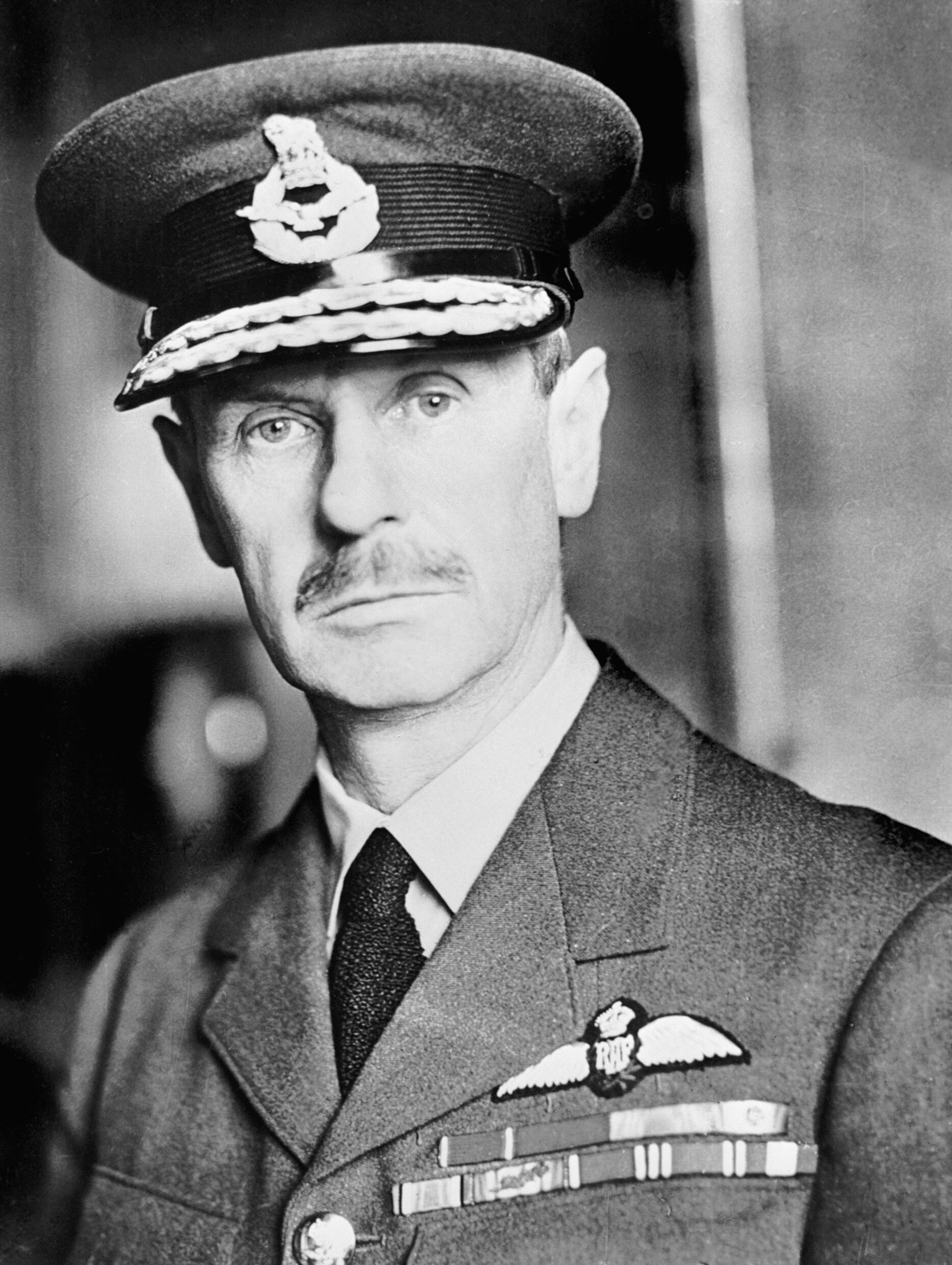
| Friday 6 September 1940 · The day before | Fighter Command is strained, not destroyed | Fighter Command sector stations | By 6 September No. 11 Group and the southern sector stations had been under severe pressure. Keith Park later described damage to several forward airfields and six of seven sector stations as having a serious effect on fighting efficiency. Sources 1, 12 |
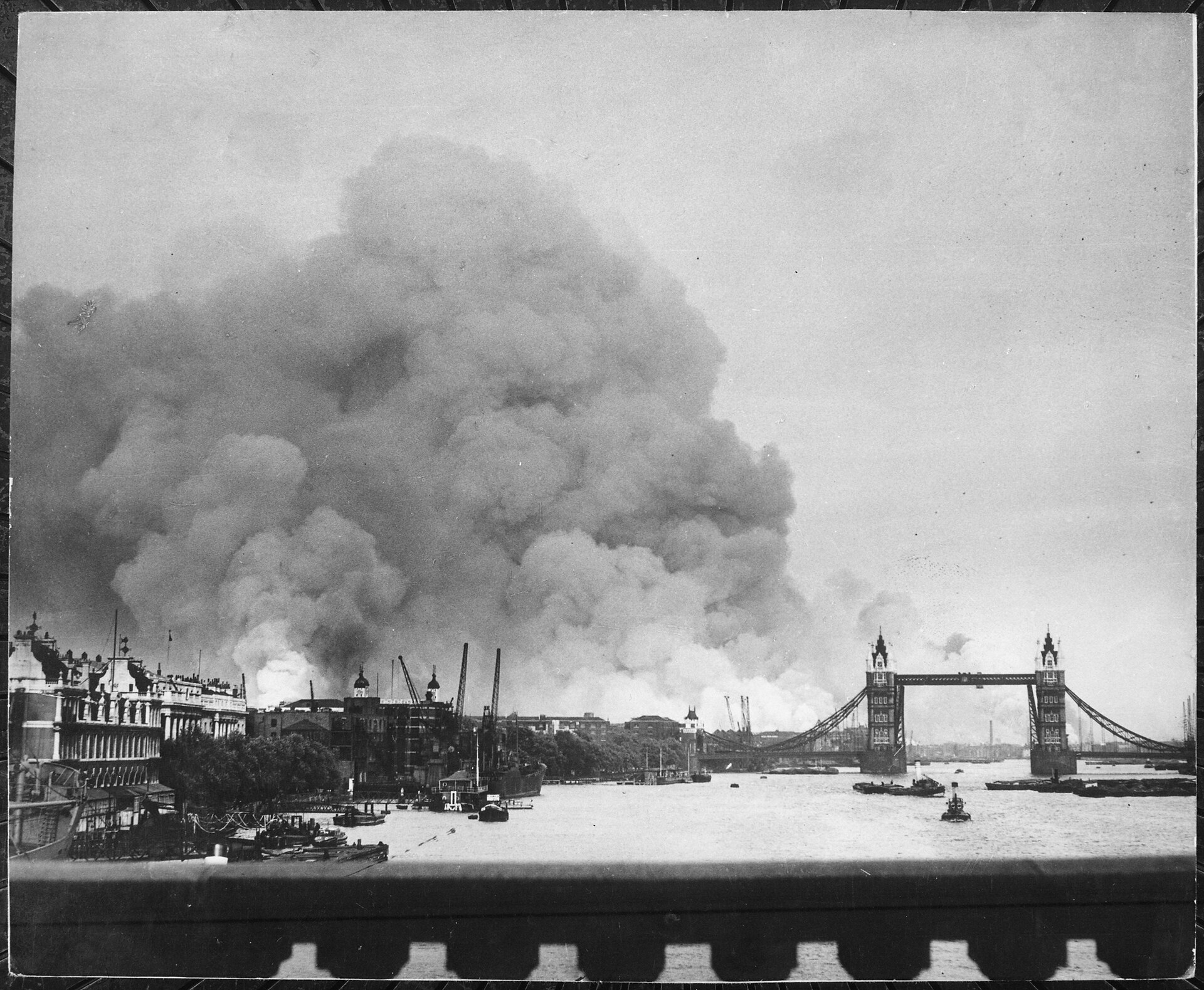
| Saturday 7 September 1940 · 16:43 | Black Saturday | The London docks | On the afternoon of 7 September roughly 350 bombers, heavily escorted by fighters, approached London and struck the docks and industrial districts of the East End. Fires in warehouses, wharves and factories marked the target for the night force that followed. Sources 1, 2, 5, 11, 12 |
| Sunday 8 September 1940 · Night 2 | Londoners take the Underground | Liverpool Street station | As the nightly raids continued, Londoners increasingly entered Underground stations with bedding and food whether or not the stations had been formally designated as shelters. The deep platforms offered psychological and physical protection that many surface shelters could not match. Sources 2, 6, 11 |
| Sunday 15 September 1940 · 11:30 | Battle of Britain Day | Over London and Kent | On 15 September the Luftwaffe mounted two major daylight attacks toward London. Fighter Command met them in strength from No. 11 Group, reinforced by formations from neighbouring groups. Sources 1, 11, 12 |
| Night of 14–15 October 1940 · 20:02 | Balham | Balham Underground station | During the raid of 14–15 October a high-explosive bomb struck the roadway above Balham Underground station. The blast collapsed part of the tunnel and ruptured water and sewer mains, sending water, mud and debris into the station. Sources 2, 5, 11 |
| Autumn 1940 · Electronic war | The beam war becomes operational | Air Ministry scientific intelligence | British scientific intelligence had identified Knickebein before the Blitz began. By the autumn the contest had moved through successive German navigation systems, including X-Gerät, whose narrow beams and timed signals could place pathfinders over an inland target in darkness. Sources 3, 4, 12 |
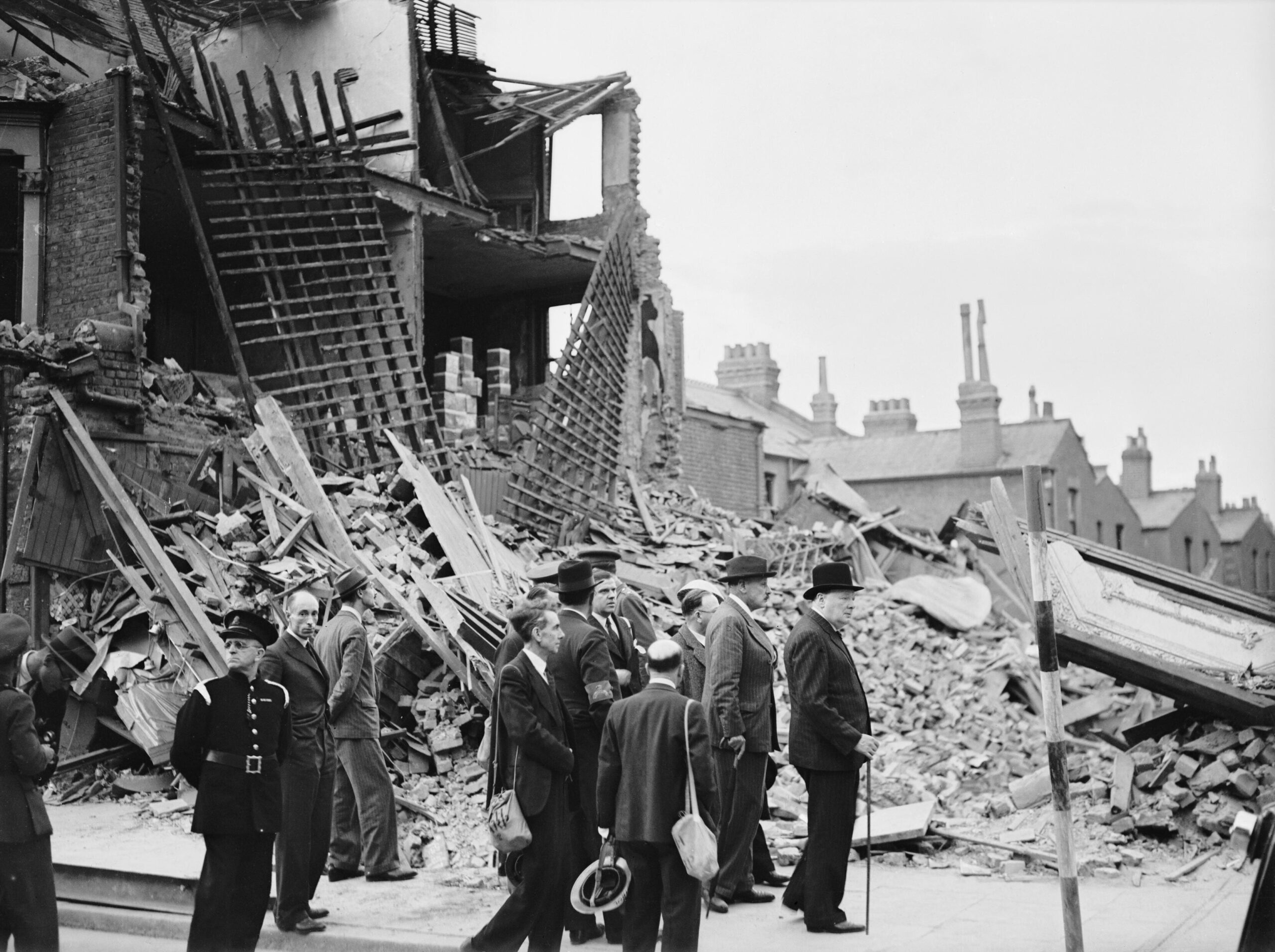
| Saturday 2 November 1940 · After fifty-seven nights | Fifty-seven nights | London | The night of 2 November closed the sequence of fifty-seven consecutive nights in which London had been bombed since 7 September. The frequency made air-raid routine part of the city's working life: sirens, shelter, fires, rescue, all-clear and morning travel repeated before damage from the previous night had been fully repaired. Sources 1, 2, 6, 11 |
| Thursday 14 November 1940 · 19:20 | Coventry | Coventry | On the evening of 14 November roughly five hundred Luftwaffe bombers attacked Coventry in an operation guided by X-Gerät and pathfinder marking. High explosive opened buildings and damaged utilities before large numbers of incendiaries spread fires through the centre and industrial districts. Sources 1, 7, 11, 12 |
| Friday 15 November 1940 · After | What Churchill knew about Coventry | Coventry | The story that Churchill knew Coventry was the target and deliberately allowed the raid to proceed in order to protect Ultra has survived because it gives one secret decision a terrible human price. The surviving records do not support that version. Sources 3, 4, 7, 12 |
| November 1940 · Nightly | The offensive widens beyond London | Birmingham | After Coventry the Luftwaffe increasingly attacked industrial and port cities beyond London. Birmingham, Bristol, Southampton, Sheffield and Manchester were among the major targets struck during the following weeks. Sources 1, 2, 10, 12 |
| Sunday 29 December 1940 · 18:15 | The Second Great Fire of London | The City of London | On 29 December 136 German aircraft attacked the City of London in a raid weighted heavily toward incendiaries. High explosive damaged roads and water mains before fires multiplied among offices, warehouses, churches and narrow streets. Sources 2, 5, 11 |
| Saturday 11 January 1941 · 20:00 | Bank | Bank Underground station | On 11 January a high-explosive bomb struck the Bank Underground station area, collapsing road and station structures into the booking hall and platforms below. Sources 2, 5, 11 |
| March 1941 · Spring 1941 | Night interception becomes a system | Night fighter stations | The Beaufighter had flown operational AI-radar patrols since September 1940, and an AI-assisted kill was achieved in November. Those early successes did not yet amount to an effective national night-defence system. Sources 1, 4, 12, 17 |
| Thursday 13 March 1941 · 21:00 | Clydebank | Clydebank | On the nights of 13 and 14 March several hundred Luftwaffe bombers attacked the Clyde industrial complex. John Brown's shipyard, the Royal Ordnance Factory, Singer and other industrial targets lay beside a densely built burgh whose housing absorbed much of the bombing. Sources 1, 8, 13 |
| March and April 1941 · Nightly | The Plymouth Blitz intensifies | Plymouth | The Plymouth Blitz intensified during March and April against a city whose naval dockyard at Devonport made it a major military and industrial target. Seven particularly heavy nights devastated large areas of the commercial centre and housing. Sources 1, 2, 6, 14 |
| Tuesday 15 April 1941 · 22:40 | Belfast | Belfast | On the night of 15–16 April about 180 German aircraft attacked Belfast. The city combined major shipbuilding and aircraft production with comparatively weak air-raid protection and limited experience of heavy bombing. Sources 1, 9, 15 |
| 1 to 7 May 1941 · Seven nights | The May Blitz on the Mersey | Liverpool and Bootle | From 1 to 7 May Liverpool, Bootle and the Mersey docks endured a sustained sequence of raids aimed at one of Britain's most important Atlantic ports. Warehouses, docks, rail connections, housing and ships occupied the same narrow urban-industrial landscape. Sources 1, 2, 5, 16 |
| Night of 10–11 May 1941 · 23:02 | The last great raid | Westminster and central London | On the night of 10–11 May 507 bombers attacked London in the heaviest final raid of the main Blitz. High explosive and incendiaries struck Westminster, the City, transport systems and residential districts. Sources 1, 2, 5, 11 |
| Sunday 11 May 1941 · After the raid | The sustained Blitz ends | Britain | The all-clear after the May raid did not come with a German announcement that the bombing campaign had ended. Smaller attacks on Britain continued later in the war, and nobody on 11 May could know that the previous night had been the last mass attack of this particular campaign. Sources 1, 10, 11, 12, 17 |